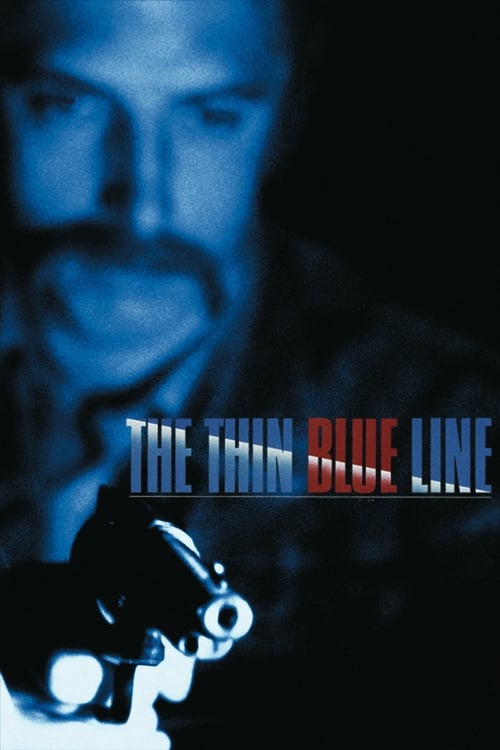





In Dallas, Texas, during November 1976, Police Officer Robert Wood was killed while conducting what appeared to be a standard traffic stop. A man was arrested and given a death sentence for the crime, relying on the testimony of a sixteen-year-old who knew him. These are the core details presented in one of the most remarkable films released during the 1980s. Randall Adams wasn't aimless; he had relocated from Ohio to stay with his brother in Dallas, secured employment, and intended to establish himself there. Then he encountered David Harris, a young man coming from a small town steeped in Klan activity in southern Texas. The officer was murdered, and Harris pointed the finger at Adams, even though Harris braged about shooting the police officer to his friends. Adams found himself wrongly convicted and sent to prison while Harris continued on a path of minor offenses. He persisted with these petty crimes until he fatally killed someone during an attempted kidnapping. Now Harris was incarcerated, but Adams’ conviction remained under review. People claimed they witnessed Adams shoot Wood, yet their accounts lacked any sense of believability. Eventually, Adams obtained competent legal representation who began working to overturn the verdict. An appeal was granted by the Supreme Court; however, at the time the film was made, he was still serving a life sentence. Further investigation reveals what ultimately became of Randall Adams. Errol Morris ventures into territory rarely explored by documentary filmmakers. He includes compelling recreations of the crime, distinct from the style seen on programs like "Unsolved Mysteries." Morris possesses a director’s vision and provides viewers with every pertinent detail—from a dropped milkshake to the number of people observed in the perpetrator's car. A haunting musical score composed by Philip Glass creates an unsettling atmosphere that lingers in your mind. Adams, the imprisoned man, comes across as genuine, and the filmmakers clearly sympathize with his situation. Harris is portrayed as an unsophisticated individual who enjoys manipulating others. Had the Dallas County prosecutors fulfilled their responsibilities, Harris wouldn't have committed a second murder—something to consider. Harris’s final interview, recorded on audio cassette, is disturbing and can convince anyone who thought such a thing couldn't possibly happen to them. The three individuals who supposedly witnessed the shooting are laughable; two were motivated by the reward money, while a salesman claimed to have a perfect memory but couldn't recall whether Wood's patrol car was in front of or behind Harris’ stolen vehicle. "The Thin Blue Line" transcends the typical talking-head format; it is a powerful narrative that surpasses any fictional story attempting to cover similar ground. The possibility of this happening to an innocent person is deeply unsettling.
On September 26, 2026
#17808
17808th by Pulse movie online20.9PULSEPulse MeterOur daily Pulse Meter measures public activity and popularity signals across the web.How it works →














