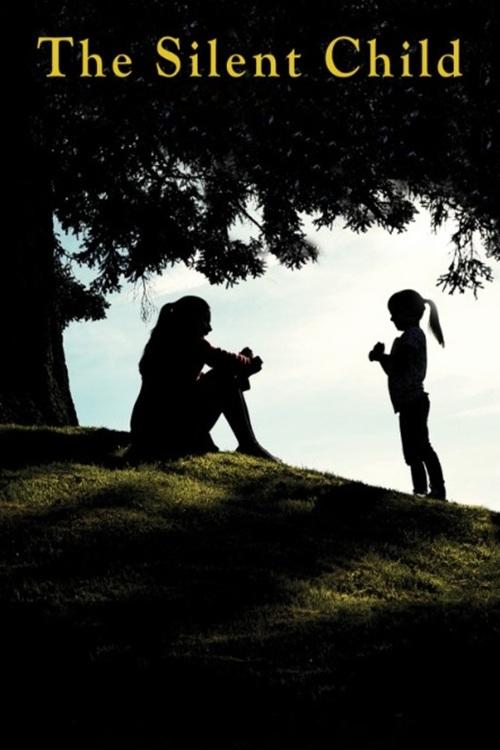



The short film *The Silent Child* (2017), a remarkably crafted, low-budget production costing only $10,000, deserves the recognition it received, including the Oscar for best short film in 2018. Chris Overton directed the film, written by his wife Rachel Shenton, and features strong performances alongside impressive cinematography from Ali Farahani and music composed by Amir Konjani. The initial layer of the story explores the challenges faced by deaf or hard-of-hearing children with a detailed focus on their experiences. A particularly revealing moment comes when Joanna learns that her purpose isn’t to connect with Libby, but to ease Sue's control over the situation—highlighting the complex issues surrounding these children. The filmmakers incorporate brief, tragic statistics in the end credits to further emphasize this point. While one could analyze the film’s technical aspects extensively, I prefer to consider its symbolic meaning. At a deeper level, the film seems to present a conflict between reason and love, cautioning against losing sight of what truly matters and the pain of forgetting affection. The symbolism is rich; for example: The mother figure represents tradition, creation, and logic-driven reasoning. She attempts to impose her own understanding on everything, missing opportunities to embrace Libby’s unique way of communicating and even viewing Joanna as a threat. Libby embodies love itself—an innocent child unable to speak but open to wonder, originating from an unconventional bond. Joanna symbolizes femininity, intuitively recognizing and finding love in unexpected places, something those closest to Libby cannot do. The family and society represent ego and societal norms, driven by rules and ideals that create a coldness and routine, with individuals seeking power over one another. Sign language serves as a representation of an instinctive form of communication rooted in love. The school functions as a symbol of confinement, enforcing rigid structures to suppress affection and conform everyone to modern standards. Throughout Joanna’s journey, the filmmakers use visual cues to convey the presence or absence of love, creating an atmosphere that shifts between clarity and obscurity for the viewer. The names of the characters—Libby, Joanna, Sue, and Paul—appear carefully chosen to reflect their symbolic roles, hinting at even more profound layers of meaning. The film concludes with a thought-provoking open ending after Libby and Joanna share a tender moment behind the school’s walls. It prompts viewers to consider what will happen next and whether they truly want to know Libby's fate—suggesting that the ultimate resolution depends on one's own actions to liberate her. I strongly suggest watching this skillfully made film; I give it an 8 out of 10.
On September 30, 2026
#68513▲ 17950
68513th by Pulse movie online0.3PULSEPulse MeterOur daily Pulse Meter measures public activity and popularity signals across the web.How it works →