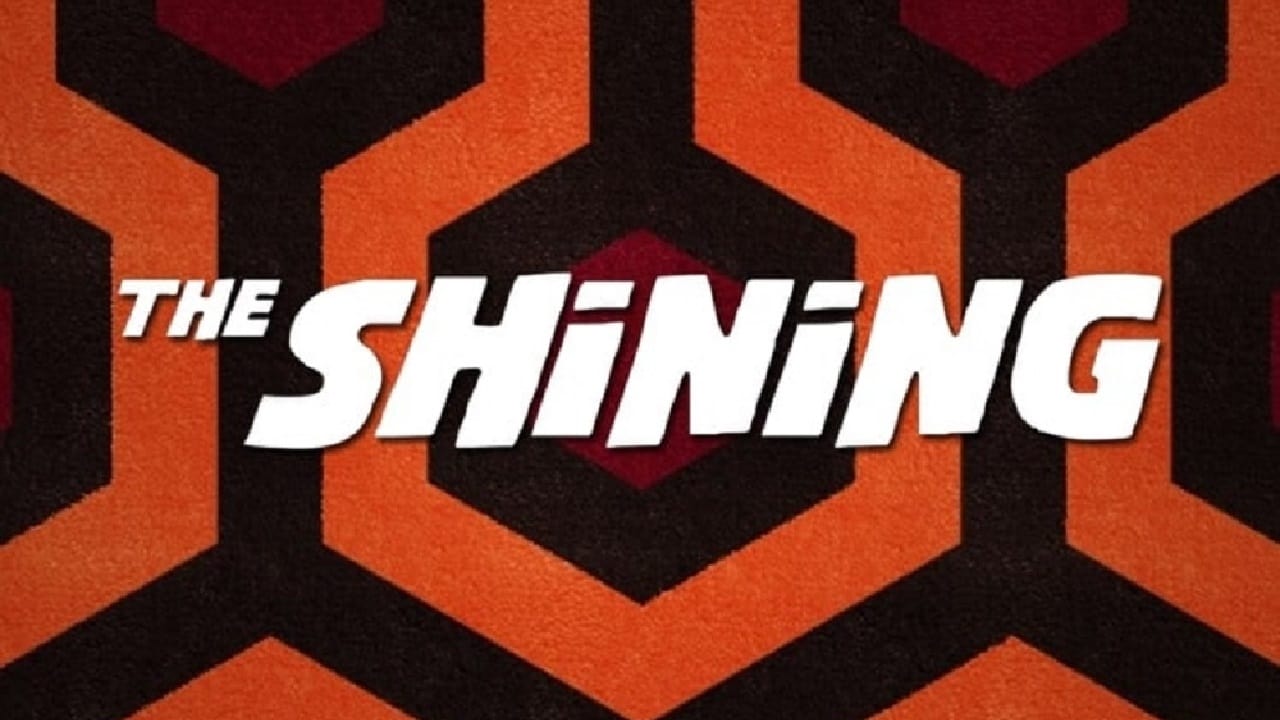



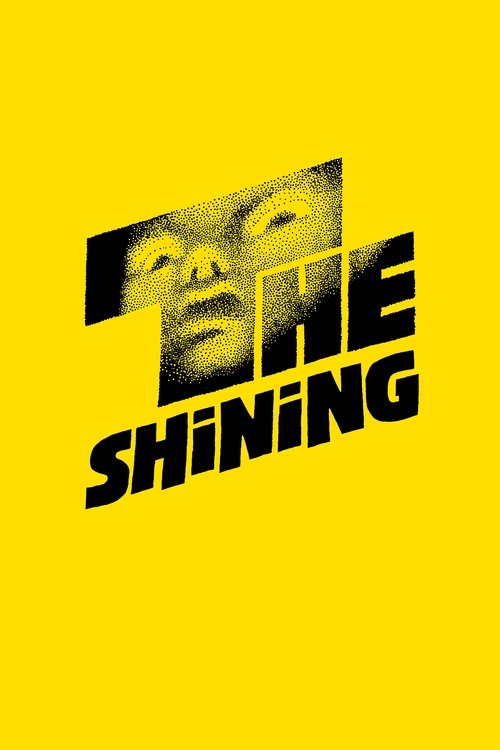
With the release of Doctor Sleep, a sequel arriving nearly 40 years after its predecessor, it feels like an opportune moment to revisit The Shining, considered by many to be one of the greatest horror films ever made and showcasing the work of a truly influential director, Stanley Kubrick. I realize that offering spoiler-free thoughts about a film from 1980 might seem odd, but there are still people who haven’t seen it, and older movies often get forgotten as time goes on. If there's one movie where spoilers aren't needed to appreciate its brilliance, it's The Shining. It has consistently been among my favorite horror films. While not without flaws—no film is perfect—certain aspects haven’t aged quite as well. When it was first released, Kubrick’s adaptation of Stephen King’s novel received mixed reactions, and King himself expressed criticism. However, within a decade, the movie began to be reevaluated, and now it's widely recognized as a cult classic for good reason. The film has inspired countless homages and parodies; just recently, It: Chapter Two included a nod to Jack Nicholson’s iconic “Here’s Johnny!” line. And then there's the enigmatic "redrum." The movie’s most significant impact comes from its technical innovations. I apologize if this review becomes too focused on those details, but they are undeniably essential. The film was among the first to utilize Steadicam—a camera stabilization mount that allows for smooth shots even on uneven surfaces—something so commonplace now that it's often taken for granted. Many recent films still suffer from poor camerawork, which reinforces how groundbreaking Kubrick’s use of Steadicam was, particularly his low-angle “low-mode” technique, which has since become standard practice. Kubrick’s mastery extends to framing, creating a visual experience worthy of study. Almost every shot contains a visual clue or an underlying theme; if you find yourself bored while watching, you're likely not truly engaging with the film—not paying attention to the visuals or characters. This isn’t your typical horror movie filled with jump scares and monsters; it relies heavily on visual storytelling, so overlooking these details will leave you feeling like something was missed when you reach the film’s climactic and puzzling conclusion. From the deliberate use of blood-red colors in the set design to the wide shots that clearly display “exit” signs and evoke a sense of being lost in an enormous hotel, the pervasive danger is visually apparent throughout the movie. The symmetry and mirroring are absolutely critical for conveying key plot points and creating a sense of reality versus fantasy. From the hotel’s architecture and décor (which is remarkably symmetrical) to the recurring use of mirrors—used both literally and to represent descent into madness—Kubrick's framing continues to intrigue audiences. There’s always something new to discover with each viewing. Despite being released in 1980, it demands your full attention. Don’t dismiss older films as if they couldn’t possibly surprise you; you’ll be astonished by how much there is to unpack. If John Alcott’s cinematography is impressive, what can I say about Wendy Carlos and Rachel Elkind’s haunting score? Contemporary scores often focus on creating immediate emotional impact, but The Shining takes a more subtle approach, with music either very quiet or absent during dialogues, even in epic scenes. The score in The Shining isn't just background noise; it's an integral part of the film itself. A simple heartbeat can heighten moments of fear or danger, and as characters’ dialogue escalates into violence, the music underscores that descent into madness. It perfectly complements a horror film. I’ll stop discussing the technical aspects here because words simply cannot convey how remarkable Kubrick’s visionary methods are; he is one of the greatest directors ever, perhaps even the most influential. Hopefully, his work will be remembered and remain relevant for years to come. The story itself has also inspired a new generation of filmmakers. While everyone recognizes the film's key moments, it’s the clever way information is revealed that I find particularly satisfying—through captivating dialogue or visual cues/actions. Having watched the 144-minute version (the European release is 25 minutes shorter than the American one, with Kubrick himself editing out a scene at a hospital), nearly every scene seems to serve a purpose, whether it’s introducing new information or updating an earlier plot point. Jack Nicholson delivers a phenomenal performance, arguably one of his best. While the script may be well-written, his delivery and commitment to the role are truly astonishing. He effortlessly handles lengthy monologues. Credit goes to Kubrick for creating a film with scenes lasting at least two or three minutes, but Nicholson elevates each scene into something exceptional. Danny Lloyd gives an impressive performance as a young actor; his voice as Tony is remarkable, and he seems to intuitively understand his surroundings, so I never felt the need to treat him with kid gloves—he’s simply impeccable. Shelley Duvall's portrayal is more of a mixed bag for me. Over-the-top performances were considered acceptable at the time, but nearly 40 years later, her performance occasionally feels excessive. She serves as an excellent counterpart to Nicholson and holds her own in their dialogues, but when she’s alone or experiencing emotional distress, it can be difficult to watch. Scatman Crothers doesn’t have much screen time as Dick Halloran, but he makes a lasting impression each time he speaks. Some viewers find the pacing slow, but I appreciate how it builds suspense and heightens moments of tension. While the ending might feel slightly abrupt, the final image lingers in your mind long after the credits roll, and even now, I haven’t quite settled on my own interpretation. Ultimately, The Shining is one of the most accessible classics for modern viewers to understand why it's considered a landmark horror film. Kubrick’s masterful framing—his use of symmetry and mirrors—is evident, so even those unfamiliar with filmmaking can appreciate its importance in telling the story. In addition to his framing techniques, his innovative use of Steadicam and meticulous set design have influenced generations of filmmakers who constantly pay homage to his work. Beyond these technical achievements, Jack Nicholson delivers a memorably haunting performance. The ending remains mind-blowing after all this time, with new theories continually emerging. But don’t spend the rest of your life without (re)watching this cult classic. Rating: A+
On September 20, 2026
#308▲ 1
308th by attention movie online56.0Attention ScoreAttention ScoreOur daily Attention Score measures public activity and popularity signals across the web.How it works →














