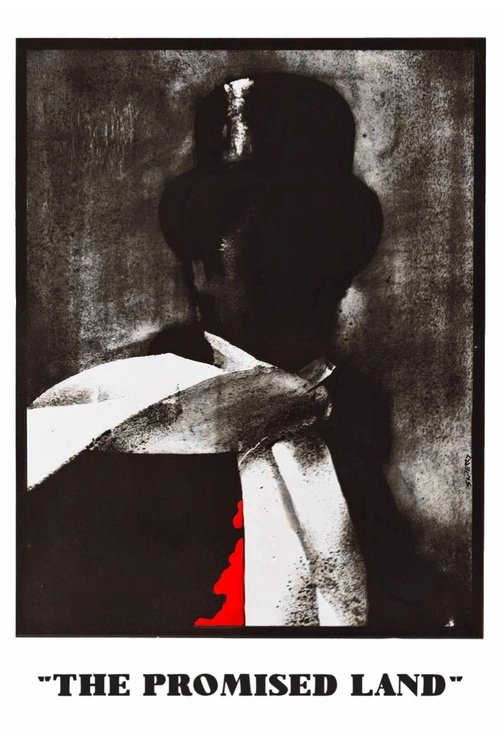




Andrzej Wajda’s "The Promised Land" proves to be captivating and easily engaging. The visuals of the era are remarkable, realistically portraying late 19th century industrial Łódź. Beginning with scenes of thick black smoke blanketing the city, Wajda sets up a visual style that communicates a world overtaken by financial selfishness. As the story unfolds, it becomes increasingly bleak and ruthless, tracing the moral decline of three men striving for prosperity during Poland’s textile industry expansion. The business arrangement—involving a Pole, a German, and a Jew—is presented as an examination of ethnic relations. Occasionally, they casually throw insults related to each other's backgrounds, which aligns with historical records of the time period. However, this realism creates an unexpected difficulty: the characters risk becoming exaggerated figures. While these stereotypes reflect what actually happened, it gives the film a slightly absurd feel that lessens the impact of its serious point about industrialization’s harshness. The commentary on the downsides of capitalism and industry is straightforward and appears to be Wajda's central focus. He presents this narrative effectively, demonstrating how the allure of riches can change people into ruthless individuals, and how factory work destroys both self-respect and physical well-being. However, alongside this theme are issues of racism and class distinctions that don’t fully connect with the criticism of capitalism. It seems Wajda is trying to address too many ideas at once. The outcome is a film displaying impressive skill and force but having difficulty establishing a clear purpose. Is it meant to be a Marxist analysis? An exploration of ethnic conflict? A story centered on characters experiencing moral failure? The movie hints at all these elements without fully embracing any one, leaving viewers appreciating the technical aspects while remaining unsure about Wajda’s overall intention.
On October 3, 2026
#44765
44765th by Pulse movie online1.7PULSEPulse MeterOur daily Pulse Meter measures public activity and popularity signals across the web.How it works →














