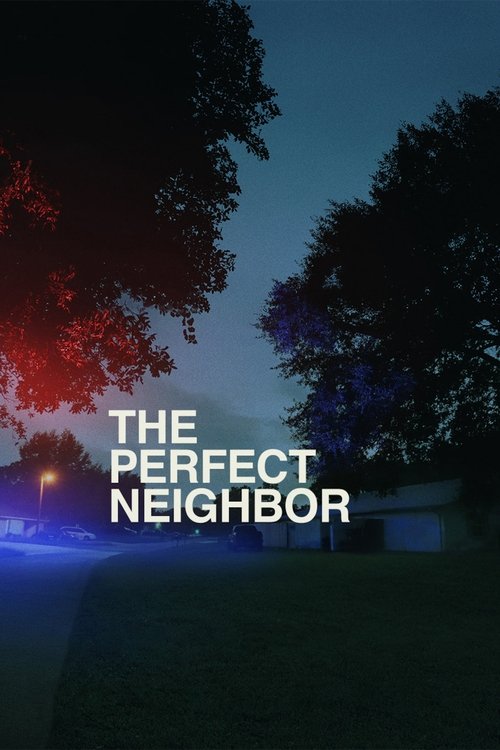





It's probable that this assessment will be met with disagreement, given various factors and regardless of one's perspective on the issues presented in this film. Director Geeta Gandbhir’s Netflix documentary investigates the question of using potentially fatal force for self-defense under controversial state laws known as Stand Your Ground provisions. Specifically, the film examines a 2023 case in Marion County, Florida involving resident Susan Lorincz, who shot and killed neighbor Ajike Owens by firing through her closed and locked front door, claiming she feared for her life when the victim allegedly began aggressively pounding on the entrance. According to Lorincz, this incident—part of a series of altercations with local residents where she had reported repeated trespassing and harassment to authorities (mostly from neighborhood children, despite no trespassing signs)—was the result of a panic response stemming from past trauma that left a lasting impact. The neighbors, however, argued that these incidents, including this one, were examples of excessive force leading to deadly consequences. To tell this story, the filmmaker uses an unusual method, primarily relying on law enforcement body camera footage recorded during visits to Lorincz’s home concerning reported incidents, along with televised news reports and interrogation videos taken when she was arrested for questioning. This material aimed to give viewers a sense of being present (even if it occasionally resembles an episode of "COPS") rather than including opinions from analysts or commentators who might have their own agendas. However, regardless of how unbiased this approach seems, it's worth noting that all recorded footage can be edited—as evidenced by some abrupt cuts in the film. As the documentary unfolds, one gets the impression that viewers aren’t necessarily hearing the complete story from every side. Despite appearing to offer conclusive video evidence, the material feels potentially incomplete, especially regarding Lorincz’s history of trauma. This is significant considering the documentary's apparent goal of educating audiences about the merits, ethics, and use of Stand Your Ground laws. Furthermore, the portrayal of the Owens family’s profound grief following their loss is undeniably powerful and moving, but at times feels exploitative and overly intrusive. The same could be said for Lorincz’s responses during her interrogation sessions, which extend longer than necessary. This isn't to excuse the behavior displayed in these moments—from everyone involved, including those responsible for some of the filmmaker’s choices—because there are truly no winners here. It is a terrible tragedy that should never have happened, despite the production receiving an Independent Spirit Award nomination for best documentary. I suppose it was ultimately necessary for this story to be told; it's just unfortunate that it unfolded as it did.
On October 3, 2026
#6953
6953rd by Pulse movie online3.8PULSEPulse MeterOur daily Pulse Meter measures public activity and popularity signals across the web.How it works →