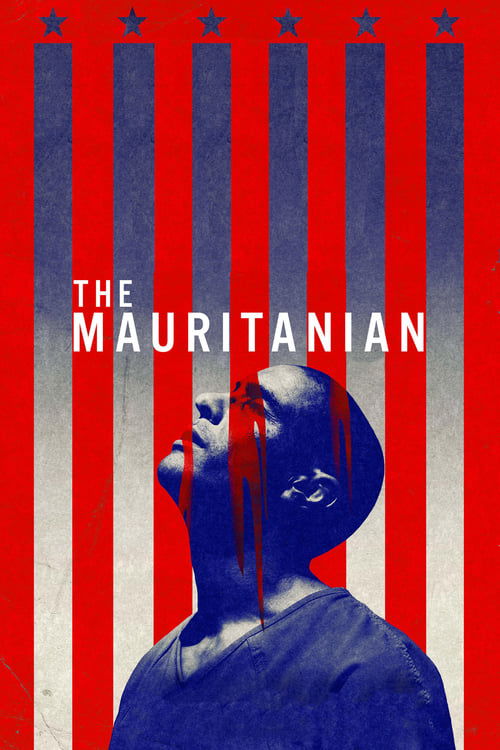




I often find myself enjoying movies inspired by true stories, as they usually manage to teach me something about an event or topic I wasn’t previously familiar with. The real story of Mohamedou Ould Slahi was new to me before seeing The Mauritanian, and the film does a good job of portraying his shocking, unbelievable experiences at the Guantanamo Bay detention camp. It's still hard to believe that this prison outside of legal boundaries exists. Even in the twenty-first century, humanity continues to find ways to violate basic human rights. Kevin Macdonald, a director known more for documentaries than feature films, offers a straightforward adaptation of the protagonist’s memoir, keeping the focus on the main story and avoiding excessive Hollywood melodrama. It adheres to the standard formula for this type of film, and its technical aspects aren't overly flashy or distracting, which is perhaps the best thing I can say about The Mauritanian. The narrative itself is compelling enough, so I appreciate that Macdonald used his documentary experience to make this film; it could have easily been a documentary – and in many ways, it resembles one. The screenplay by M.B. Traven, Rory Haines, and Sohrab Noshirvani is generally captivating throughout the movie's length, but it does lose some momentum due to unnecessary scenes that don’t add much. The writers and Macdonald often get their point across effectively, but these moments tend to linger a bit too long without contributing anything new to the story, characters, or atmosphere. These subplots involving minor characters aren't particularly engaging. If not for Benedict Cumberbatch and Shailene Woodley, some of these storylines could have significantly harmed the film. A crucial moment occurs in the third act. While it’s important for the audience to understand the horrors Slahi endured, this extended sequence shifts from being shocking to genuinely uncomfortable, potentially prompting some viewers to skip it altogether. This exemplifies the problem of not knowing when to end a scene, prolonging it unnecessarily and adding to the film's already considerable length. Still, I remained very focused on the central story, partly thanks to outstanding performances by Jodie Foster and especially Tahar Rahim. Foster delivers an impressive performance as Nancy Hollander, a lawyer who confronts the common moral question in her profession: Do all people deserve equal human rights? Or are there exceptions, such as those accused of terrorism or other serious crimes? She skillfully portrays the challenge of defending someone that almost everyone would refuse to even speak with, let alone risk their reputation and safety. Ultimately, though, it’s Rahim's award-worthy, emotionally charged physical performance that takes center stage. From his expressions of despair to his unwavering hope for justice, it's impossible not to sympathize with Slahi and want him to be freed. The Mauritanian is the kind of film inspired by true events that will stick with me for a while. The shocking, real-life story of Mohamedou Ould Slahi, who suffered unbelievably unfair, immoral, and illegal treatment at the hands of the U.S. government, is told through an efficient screenplay that highlights Tahar Rahim’s exceptional performance. Macdonald uses understated storytelling techniques, allowing the focus to remain on Slahi rather than flashy visuals or unusual camera work. While mostly successful in this approach, it does lose some energy and interest due to extended scenes featuring secondary characters. Jodie Foster also delivers a captivating portrayal of a lawyer who remains true to her principles. It may follow the standard structure of other films in the genre, but it succeeds in bringing this story to light without reservation. I recommend it, but be aware of a prolonged torture sequence that might upset more sensitive viewers. Rating: B-
On October 3, 2026
#7291
7291st by Pulse movie online3.8PULSEPulse MeterOur daily Pulse Meter measures public activity and popularity signals across the web.How it works →