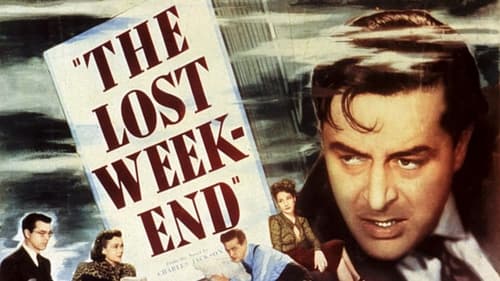




Delirium is an illness that appears only at night. Don Birnham isn’t a drinker; he's actually an alcoholic, left alone for a weekend by his family with the expectation that he will focus on his writing—a hope that he’ll avoid the alcohol destroying his life and the loving relationships it supports. Billy Wilder directs this film expertly, making his first significant choice by casting Ray Milland as Don Birnham. At that time, Milland was known for lighter roles, so audiences were surprised to see someone typically so pleasant descend into a dark portrayal unlike anything they’d seen before. This approach would be repeated 17 years later by Blake Edwards in "Days Of Wine And Roses," where Jack Lemmon captivated viewers with his own descent into alcoholic ruin. The film is similar here, set in 1945; Milland and Wilder draw us into a bright, almost cheerful beginning, establishing the foundation for our support of Don as he spirals through a series of nightmares portrayed with genuine skill by the lead actor. The story quickly involves trying to sell a typewriter—if only we could find an open pawnshop. We’ll desperately plead with a familiar bartender for a drink, end up in a rehabilitation ward where night terrors take over, and be frightened by the delirium as sobriety threatens to shatter this terrible addiction. We become invested in this film because of its simple, compelling nature. It's not just Milland's realistic performance; Wilder, with his clever touch, uses deep focus to highlight anything that leads us toward alcohol—whether it’s expanding rings of water as each shot of rye is consumed or camera angles through the bottles themselves. Wilder consistently offers subtle reminders of the central theme. The score is exceptional too; Miklos Roza composes it perfectly because the music pulls you into a swirling nightmare as Don's functional mind succumbs to the comfort of numbness—in short, the technical aspects of the film are outstanding. The story behind this now-respected classic is quite amusing: Paramount initially didn’t want to release the film after temperance groups protested that it glorified drinking (laughable). One powerful group even offered 5 million dollars to have the negative destroyed, but Wilder stood his ground and fortunately, moviegoers still have a dark and moving classic with relevance in any era. 10/10
On September 23, 2026
#7118▲ 258
7118th by Pulse movie online42.2PULSEPulse MeterOur daily Pulse Meter measures public activity and popularity signals across the web.How it works →














