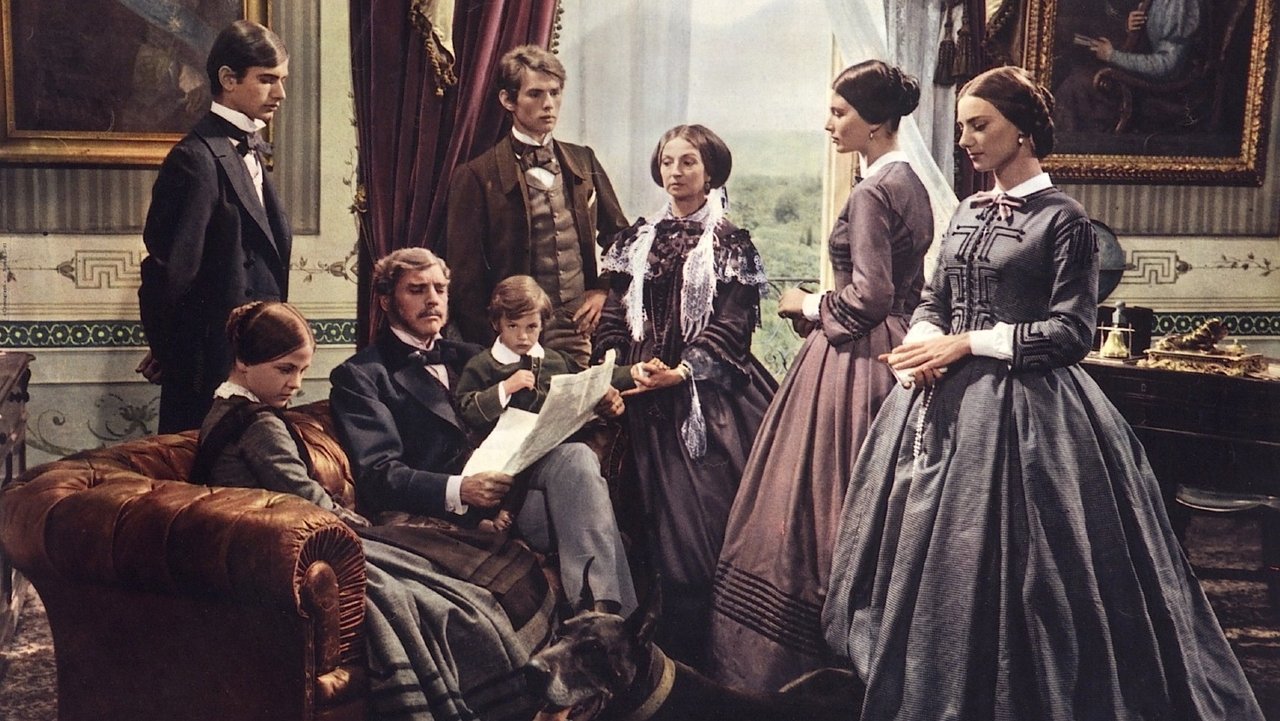




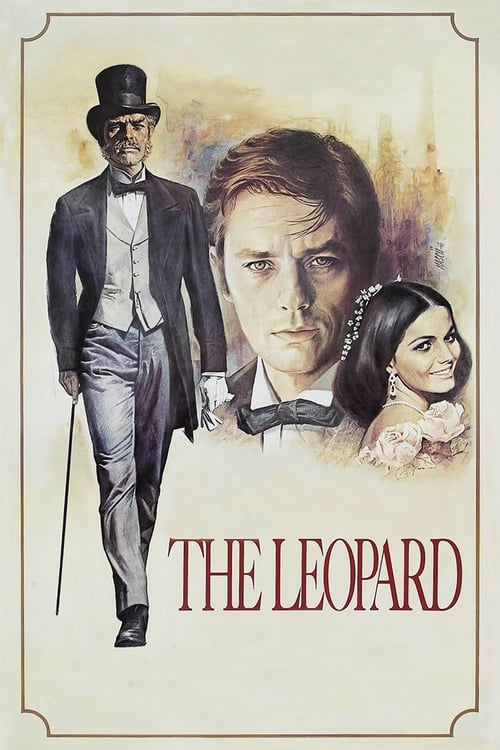
Luchino Visconti’s 1963 film, Il Gattopardo, isn’t just telling a story about historical shifts; it functions as a lament for a fading social class. Set against the backdrop of Sicily's scorching landscape, as an era’s refinement diminishes, Visconti invites viewers to what feels like history’s saddest celebration. Prince Fabrizio Salina, played by Burt Lancaster, embodies a celebrated past—he possesses nobility, wisdom, and dignity, representing both the pride and the final member of his family line. However, societal structures are undergoing changes. With kings, revolutionaries, and newly wealthy individuals taking center stage, the aristocracy that Salina represents is experiencing an elegant decline. The Prince recognizes he’s powerless to halt this progression; he can't rewind time or preserve his beliefs—he can only witness what unfolds. This realization, conveyed with sadness, acceptance, and a hint of composure, lies at the film's core. Visconti, drawing on his own background within an aristocratic family, doesn’t offer either admiration or condemnation. His camera presents the aristocracy not as a political stance but as a particular mindset—one where beauty, discipline, and refinement coexist with pride and helplessness. The elaborate ball scene encapsulates this sentiment: the Prince's tired expression says it all; the music continues, the dancing goes on, yet he’s already become part of history. Il Gattopardo blends the visual style associated with aristocracy and the burden of its demise. The sounds of the waltz reverberating through the ballroom are now just a reminder of what once was. As new generations—such as Tancredi, portrayed by Alain Delon—emerge, the older generation is compelled to step aside gracefully. Visconti’s depiction of these moments feels as dignified as a funeral service, almost like looking at a painting. The film unfolds at a deliberate pace because declines don't happen quickly. Each shot lingers so that you can sense the feel of an era—the clothing, facial expressions, and beads of sweat combine with the intensity of the Sicilian sun. These details contribute to the film’s feeling of “grandeur.” The slowness isn’t just a stylistic choice; it’s a form of mourning. Ultimately, The Leopard serves as a farewell not only to the Italian aristocracy but also to an entire "old world." As modern times progress, principles like nobility and restraint are replaced by ambition, self-interest, and new forms of influence. Visconti narrates this inevitable change not with sorrow, but with an elegant acknowledgment—as if repeating Tancredi's words: “If we want things to stay as they are, things will have to change!”
On September 20, 2026
#5415▲ 134
5415th by attention movie online45.3Attention ScoreAttention ScoreOur daily Attention Score measures public activity and popularity signals across the web.How it works →