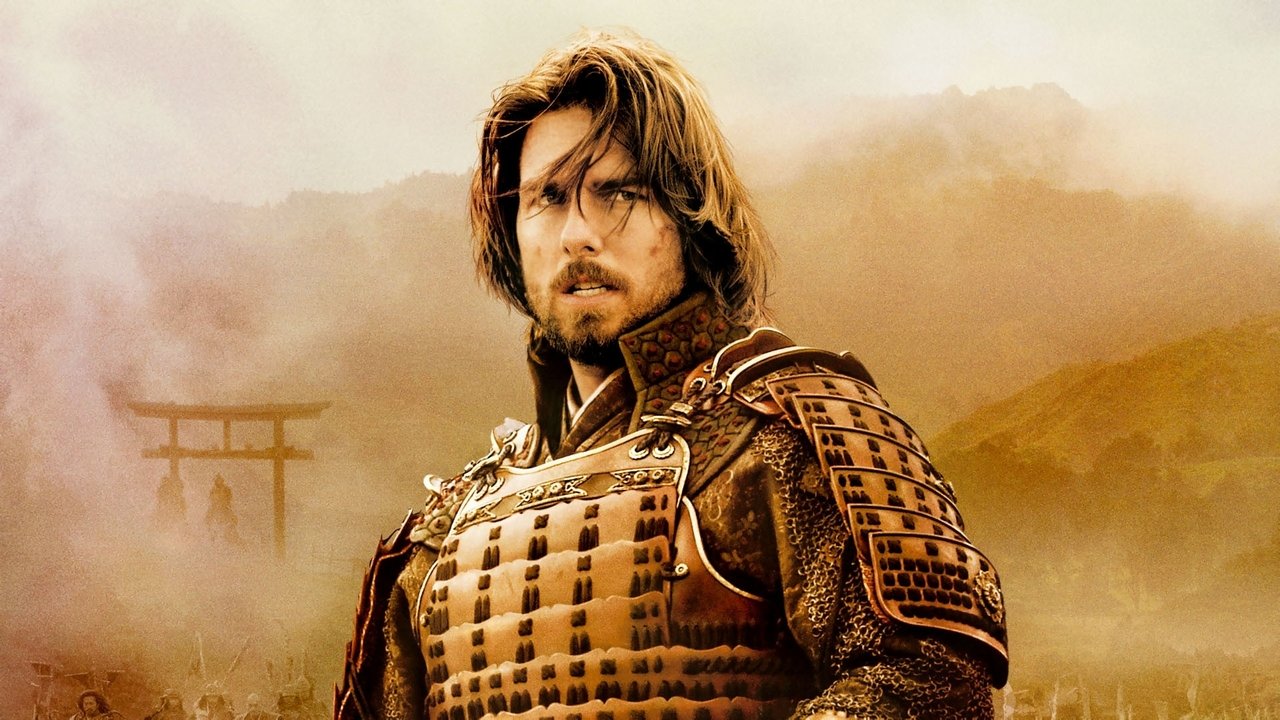





"The Last Samurai," directed by Edward Zwick, centers on two fighters whose backgrounds set them apart, yet their shared beliefs create a bond between them. The combat sequences are impressive and skillfully staged, though they focus less on achieving victory and more on what can be demonstrated through sacrifice. It's an unusually perceptive epic, notable for its design, writing, and committed performances. However, the film’s impact is lessened by a conclusion that seems to shy away from the core themes it explores. Tom Cruise and Ken Watanabe share the screen as a disgraced Civil War veteran and a dignified samurai warrior. Cruise portrays Nathan Algren, a former war hero struggling with aimlessness and excessive drinking. He's recruited by Americans providing mercenaries to train an army for the Japanese emperor, who aims to modernize Japan but is encountering resistance from samurai rebels. Katsumoto’s role, played by Watanabe, is multifaceted; he opposes the emperor’s forces while simultaneously upholding the traditions that the emperor embodies, readily offering his life if asked. But a desire has gripped Japan to abandon its historical customs and emulate Western culture, and Western interests are eager to profit from this shift: representatives from Remington Arms have secured substantial contracts for weaponry, and the U.S. Embassy facilitates profitable trade deals. Algren enters this situation as a skeptic. He’s led to believe that the samurai are primitive warriors, but he quickly realizes that the American advisors have inadequately prepared the modernized Japanese army to confront them. When he leads his inexperienced soldiers into battle, he is taken prisoner and faces execution—but Katsumoto intervenes, saving him and arranging for his return to the village of his son.

On September 19, 2026
#494▼ 46
494th by attention movie online55.3Attention ScoreAttention ScoreOur daily Attention Score measures public activity and popularity signals across the web.How it works →