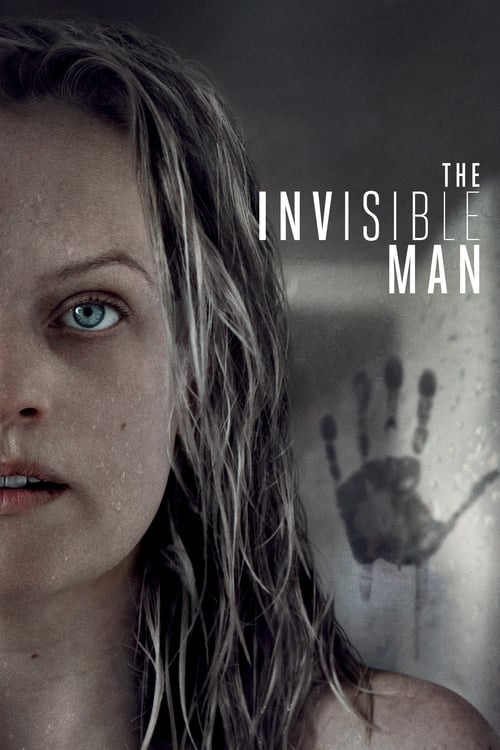




The film begins promisingly but ultimately falters due to contrived plot developments and reliance on familiar horror tropes. H.G. Wells’s original _The Invisible Man_ (1897) suggests that power like invisibility would be misused for personal gain, leading to moral decline in otherwise decent individuals. Paul Verhoeven's _Hollow Man_ (2000) expands on this idea, implying that invisibility could lead to sexual violence and madness. This latest adaptation reimagines the story as a modern exploration of domestic abuse and PTSD, which is an intriguing concept. Shifting the narrative’s focus from a male scientist to a female victim offers potential for relevant commentary about issues like gaslighting and the challenges women face when accusing powerful men. However, this promise isn't fully realized; the film struggles to integrate these serious themes beyond using them as plot devices for predictable scares. The story follows Cecilia Kass (Elisabeth Moss) as she plans to escape her abusive boyfriend, Adrian Griffin (Oliver Jackson-Cohen), a wealthy optics innovator. After drugging him and fleeing, she finds refuge with her sister Emily (Harriet Dyer) and their friend James Lanier (Aldis Hodge). Despite assurances of safety, Cecilia is consumed by paranoia. Things escalate when Adrian seemingly commits suicide, leaving Cecilia $5 million. She becomes increasingly convinced that he's still present, watching her, even appearing in the same room. As her certainty grows, others question her mental stability. Written and directed by Leigh Whannell (co-creator of the _Saw_ franchise and creator of the _Insidious_ franchise), this adaptation isn’t solely about invisibility; Adrian's character is also ideologically invisible. This highlights how a man's harmful actions can persist even after his absence, demonstrating the fear he instilled in Cecilia—her primary struggle initially isn't with Adrian but with overcoming her trauma. The film examines how women accusing powerful men of gaslighting are often disbelieved. It uses exaggeration to make abstract concepts tangible. The film is visually striking. Alex Holmes’s design creates a modernist home that feels like a maze, while the high-tech control center serves as a nod to science fiction. Stefan Duscio's cinematography enhances Cecilia's paranoia through techniques such as panning away from her and using isolating camera angles, creating an ominous atmosphere. Whannell generates suspense simply by directing the camera at empty spaces, and Moss’s performance is commendable, especially considering she often reacts to nothing but her own fear. Despite these strengths, I admired the concept of reframing the genre template as a story about domestic violence, particularly given its relevance in the #MeToo era. However, the film's execution falls short because Cecilia isn't initially presented as potentially imagining things, undermining any potential for emotional depth and limiting the impact of the allegory. The plot also suffers from inconsistencies; the lack of surveillance technology and other logical flaws detract from the story’s believability. My biggest disappointment lies in the film’s descent into generic horror territory. What began as a thoughtful exploration of trauma devolves into an over-the-top finale that offers little insight. Adrian is portrayed as an overtly evil character, lacking nuance—a characteristic that would have added complexity to a serious examination of abuse. Despite receiving positive reviews and achieving box office success, _The Invisible Man_ left me feeling let down because it prioritizes genre conventions over emotional depth, squandering a significant opportunity.
On September 28, 2026
#676▲ 115
676th by Pulse movie online54.0PULSEPulse MeterOur daily Pulse Meter measures public activity and popularity signals across the web.How it works →














