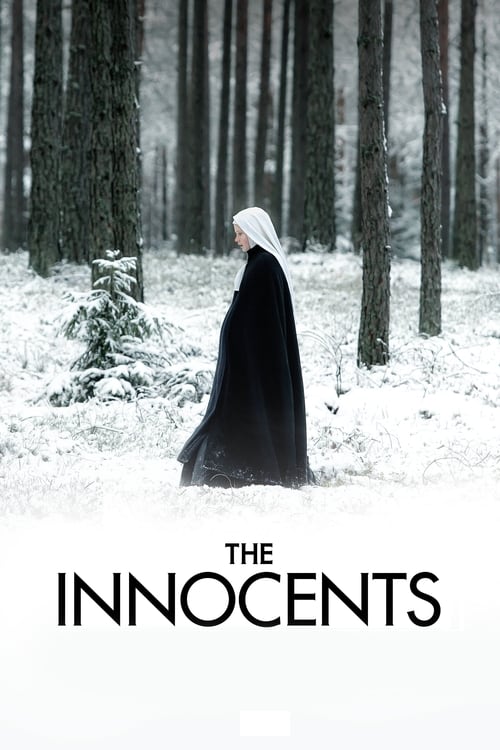





From director Anne Fontaine comes another excellent film centered around women, though it’s partly rooted in a remarkable true story. The extent to which the events portrayed are accurate remains unclear; the filmmakers and writers drew inspiration from the diary of a French doctor who worked for the Red Cross in Poland toward the end of World War II, using those limited details as the foundation for this narrative. The cast and crew did an admirable job. The film unfolds immediately after the war, when the Soviet Union took control of Poland, revealing one of history’s lesser-known secrets. It's a tale so hidden that even viewers familiar with numerous books and films about WWII may have never encountered it before. The story is emotionally affecting, focusing on how people coped with their circumstances in the aftermath of conflict. Upon arriving at a convent, French doctor Mathilde is met by a nun and finds most of the women there are heavily pregnant. They’ve been victims of sexual abuse perpetrated by Soviet soldiers, and she's now obligated to maintain silence as requested by the mother superior. As an atheist, she clashes with those she treats who are deeply religious; however, both sides set aside their differences to navigate this difficult situation. > ❝For us nuns, the end of the war does not mean the end of fear.❞ The film takes place during a harsh winter and avoids depicting the initial violence directly, though it touches on instances of army brutality toward innocent nuns and Red Cross members. It’s important to remember that these are not accurate portrayals of actual events. The film might have been even more impactful as a documentary, presenting information based on diary entries. However, while not unpleasant, the pacing feels slow scene by scene, only occasionally picking up speed. The plot includes a twist, but its impact is subjective; I found it to be excessively cruel and difficult to accept. Stories involving religious figures typically evoke expectations of gentleness or generosity, especially in times of crisis. Yet, here, people reacted in ways that seemed out of character, though understandable given the circumstances—everyone was fighting for the same cause, with an eye toward the outside world, and responded differently. While their actions are explainable, not all were commendable. As director Fontaine mentioned in an interview, this is a period piece that resonates with contemporary issues like violence against women during wartime. It’s a topic ripe for discussion; a male filmmaker might have explored the flashbacks more explicitly to add depth to the story. This film seems to compromise on that approach, making it challenging to watch at times, especially for families. The performances are excellent across the board. It's one of the best films addressing this subject matter and released this year, and deserves attention. Like "Under Sandet," it’s not about the war itself but what followed. 8/10
On September 29, 2026
#22725▲ 11737
22725th by Pulse movie online2.0PULSEPulse MeterOur daily Pulse Meter measures public activity and popularity signals across the web.How it works →