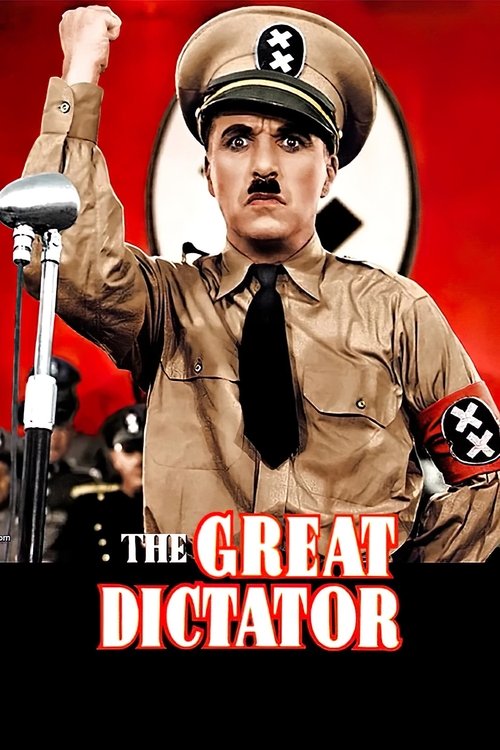



Shortly after Britain declared war on Nazi Germany in September 1939, Charlie Chaplin started work on his next movie. He was influenced by the widespread belief that he and Adolf Hitler shared certain traits—beyond just a similar mustache, there were parallels in their backgrounds—and wanted to mock and criticize the German leader and fascism directly. In _The Great Dictator_, Adenoid Hynkel (played by Chaplin) is in charge of Tomania and begins planning his global takeover. During this process, he targets Jewish people, including a former veteran of World War I who now works as a barber—again portrayed by Chaplin. As expected, the film was popular when it came out, connecting with anti-Nazi feelings among audiences in both America and Britain. Chaplin felt that communicating his political views was so crucial that he abandoned his usual preference for silent films to ensure his message got through. Sound is employed effectively in _The Great Dictator_. By analyzing numerous speeches given by Hitler, Chaplin developed a ridiculous but convincing imitation of the Nazi leader's speaking style. Naturally, the slapstick humor is still present, mainly associated with the barber (who might or might not be Chaplin’s silent character, The Tramp). This mix of physical comedy and witty remarks gives the film a feel reminiscent of an early Carry On movie. Although _The Great Dictator_ is frequently considered Chaplin's finest sound film, it often seems to mark the conclusion of his period of classic pantomime. Sight gags like someone being struck with a saucepan appear somewhat simplistic, and it’s generally the verbal jokes that prove most insightful. The comedy hasn’t stood up so well over time. However, _The Great Dictator_ wasn't made to last forever. It was ideal propaganda for the Allies, released at precisely the right moment during the war. Therefore, one can only evaluate _The Great Dictator_ when considering the circumstances of its release.
On October 3, 2026
#2975▼ 117
2975th by Pulse movie online5.3PULSEPulse MeterOur daily Pulse Meter measures public activity and popularity signals across the web.How it works →














