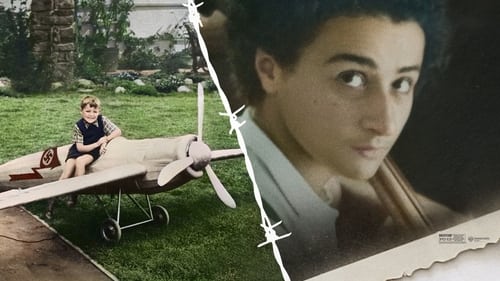





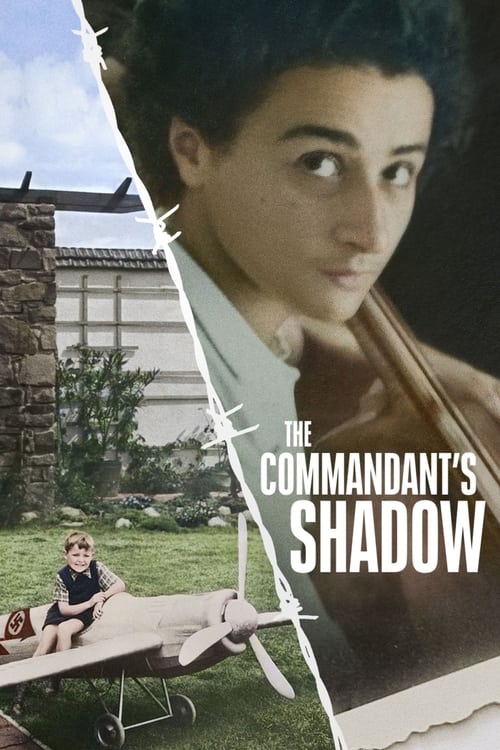
I must admit, I felt somewhat let down by this documentary. It incorporates disturbing archival footage at times, introducing us to Hans Höss, son of the man who not only oversaw the Auschwitz-Birkenau extermination camp but was also largely responsible for constructing it. Drawing loosely from his autobiography, written while awaiting trial after the war, we discover some of the political forces that led this efficient administrator to build a facility that ultimately resulted in ten thousand deaths daily, all while apparently keeping his profession a secret from his family. Simultaneously, in London, we encounter survivor Anita Lasker-Wallfisch, an incredibly composed woman who feels there’s little value in dwelling on past tragedies. This causes her daughter Maya considerable distress, as she seems to be experiencing her mother's fears and trauma secondhand, struggling to find any sense of resolution. Determined to reclaim her German citizenship and relocate to Germany despite not speaking the language, it appears she wants to confront her heritage directly. The remainder of the film largely attempts to determine how much Hans—who was around four years old at the time—knew about his father’s actions. Did his mind block out memories of these atrocities, or does he possess more knowledge than he lets on? This somewhat adversarial approach didn't entirely work for me. There's a quality that feels almost accusatory in how this now eighty-year-old man is interviewed—particularly by his pastor son, Kai. As the film continues, the focus shifts increasingly to the needs of these adult children rather than maintaining an emphasis on the experiences of those who were present at the camp simultaneously, separated by what felt like an insurmountable barrier. The final five minutes provide some of the most moving scenes I've witnessed on television, and that’s precisely what I wanted more of. Seeing the innocent child and the innocent survivor having a straightforward conversation over coffee and pastry about their recollections, their understanding, and importantly, how humanity might learn from this—and for families with deep faith, where was God during all of it—was profoundly affecting. With the resurgence of nationalism and anti-Semitism in Europe, could such horrors ever occur again? It would have been captivating simply to listen to them talk. Perhaps that wasn’t feasible; at times Anita seemed somewhat disengaged from the process, possibly having built her own defenses against the horror of her experiences as she approaches a significant milestone in her life. Documentaries like this won't be possible forever, and while it is certainly heartbreaking, occasionally humorous, and thought-provoking, I believe just the two of them with some wine would have created a much more intimate and powerful experience.
On September 20, 2026
#30922▲ 27517
30922nd by Pulse movie online17.0PULSEPulse MeterOur daily Pulse Meter measures public activity and popularity signals across the web.How it works →