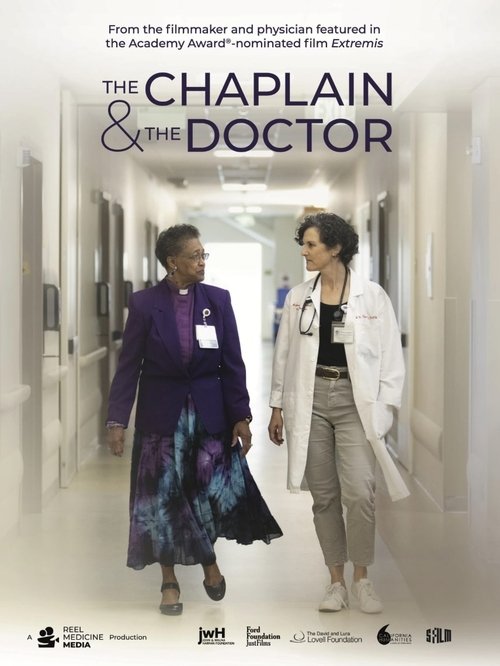




The increasing criticism surrounding modern healthcare has spurred a rising number of advocates pushing for improved patient treatment, particularly for those dealing with severe, ongoing illnesses. Individuals facing these kinds of conditions often grapple not only with physical difficulties but also emotional struggles and frustrations when trying to manage daily life—a burden felt by patients, their families, and caregivers alike. The question becomes how to effectively address all of these different factors. This documentary film from filmmaker and practicing physician Jessica Zitter examines a team-based approach to answering that question. As part of the palliative care program at Oakland’s Highland Hospital, Dr. Zitter has partnered with Chaplain Betty Clark to meet the varied needs of patients experiencing conditions like cancer, lung problems, heart issues, and other chronic illnesses that make it difficult for them to manage their own care, the well-being of their families, and everyday routines. While some of these patients are nearing the end of life, others have hope for long-term disease management and treatment, despite needing help with numerous related concerns. This unusual pairing—Chaplain Betty providing spiritual and emotional support while Dr. Zitter handles medical aspects with a compassionate touch often missing from healthcare—has been working together for over a decade, offering patients comfort, guidance, and support to ease pain and suffering during their treatments, as shown through several patient stories. The film highlights their dedication, particularly their efforts to overcome problems like incorrect diagnoses, unfair social biases, a lack of personal connection, and failures to consider issues beyond just health concerns. It also explores the personal challenges faced by both protagonists, drawing from their pasts and present lives, offering a well-rounded view of the demands that come with this kind of professional commitment. Despite the thoroughness in these areas, the film doesn’t delve deeply into the specifics of palliative care—the principles, procedures, and practices involved, its history, current prevalence, how to access it, etc. More detail here would have strengthened the story by providing a clearer foundation for those featured. Ultimately, the film's strength lies in demonstrating that better healthcare options exist, especially for patients with conditions like these. As Chaplain Betty points out, this is the kind of care everyone should feel empowered to request, simply because it’s something we deserve.
On October 4, 2026
#281816
281816th by Pulse movie online0.1PULSEPulse MeterOur daily Pulse Meter measures public activity and popularity signals across the web.How it works →














