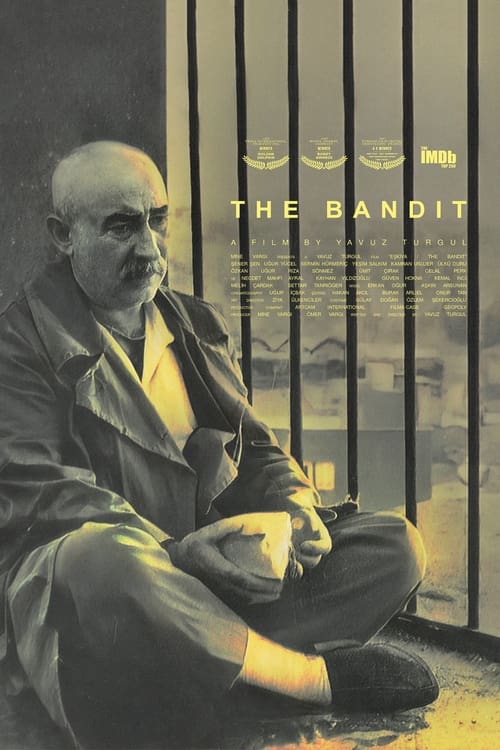




Eskiya is comparable to Göbekli Tepe, an important archaeological find from Turkey's prehistoric period, rediscovered within film history. Its significance extends beyond its age; it carries a sense of undeniable truth. Minor inconsistencies in the digital version’s color grading, likely due to its transition from celluloid, barely diminish its impact. Otherwise, it feels like a flawless movie, and the reasons for that become clear later on. I usually start by examining meaning, but here, the technical aspects are immediately striking. The cinematography is exceptional in how it utilizes established filmmaking techniques to transform Anatolia’s vast beauty into something mythical. Ertunç Şenkay doesn't simply compose shots of the landscape; he allows it to exist fully, using wide lenses to encompass the horizon and close-ups that reveal a lifetime etched on people’s faces. The land itself seems immense and detached, or perhaps observant, as human dramas play out beneath its ancient sky, as they always have. This isn't just cinematography serving the story; it elevates it like a mountain peak in Anatolia. However, the true wonder lies in Yavuz Turgul’s storytelling: a sprawling epic condensed into 120 minutes without sacrificing any detail. The script is tight, relentless, and completely unexpected, flowing with the precision of a river that has carved stone over centuries. There's no wasted effort or unnecessary diversions. Every subplot and tonal shift feels inevitable, as if the story always existed and Turgul simply uncovered the ideal way to present it. It’s rich, complex, and profound. Two themes particularly resonated with me. The first is a lament for “honor among thieves,” a concept that seems almost old-fashioned in its nobility. Turgul isn't merely nostalgic; he expresses grief, portraying a world where criminals adhered to rules, and betrayal was considered a grave offense. The film’s true antagonists aren’t just greedy; they are products of a system where loyalty is a weakness and capitalism has corrupted everything it touches. Turgul’s political commentary is subtle but powerful, a quiet criticism of a world where power corrupts absolutely and money buys everything, or at least the appearance of it. Berfo’s fate is brilliantly executed: a man who attempted to buy affection, only to realize too late that some things are beyond purchase. The fact that this was made in 1996—before the current excesses of late-stage capitalism—makes it feel strangely prescient. And then there's the theme of love. Eskiya isn’t just a crime story or a political allegory; it’s about the heart in all its forms: enduring, paternal, doomed, misguided. Baran and Keje share a bond that transcends time and betrayal, a quiet flame that never completely fades. The relationship between Baran and Cumali is like that of father and son—a connection built on choice and demanding sacrifice. Keje and Berfo’s ill-fated pairing demonstrates that money can't buy happiness. Emel and Cumali’s tragic romance serves as a warning about trust. Emel and Andref’s twisted partnership illustrates how people with similar flaws attract each other. And then there’s Emel’s mother, another victim of Andref’s manipulations, illustrating that some individuals leave destruction in their wake. At the film's core is Şener Şen as Baran, a performance so calm and resolute that it feels almost sacred. He embodies a man who has buried his past mistakes and now seeks redemption, not for reward, but because it’s the only path forward. Baran’s tragedy isn’t in his failures, but in the world's unreadiness for men like him. Şen’s portrayal prompts a weighty, unanswered question: Which of us could possibly fill such shoes? By the end, Eskiya doesn’t just affect you; it changes you. It’s a story that lingers like a slow ember after the credits roll. It's a film that understands the cost of honor, the fragility of love, and the price of trying to be good in a world that rewards the opposite. For those who appreciate cinema, this isn’t just something to see before you die; it’s an eye-opening experience.
On October 1, 2026
#75758
75758th by Pulse movie online1.2PULSEPulse MeterOur daily Pulse Meter measures public activity and popularity signals across the web.How it works →














