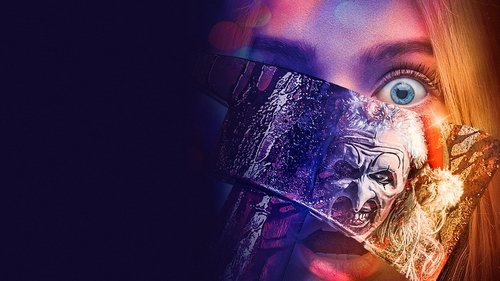





“Terrifier 3” Redefines Horror Cinema and Mirrors Societal Anxieties In a movie world often filled with big-budget blockbusters and familiar stories, “Terrifier 3” stands out as something special. Directed by Damien Leone, this film was made on a small budget of $2 million but has earned over $82 million worldwide, surprising many in the industry. Beyond its financial success, the movie offers an examination of psychological fears, societal issues, and subtle political ideas, showing what horror films can achieve today. The film takes place during Christmas Eve, creating an ironic contrast with the dark themes it explores. Art the Clown, played by David Howard Thornton, is unpredictable and chaotic. His actions aren't just scary events; they challenge our sense of safety, normalcy, and the comfort we expect during the holidays. At its heart, “Terrifier 3” is a study of how people react to fear in extreme situations. It touches on Carl Jung’s idea of the "shadow self," pushing characters and viewers to confront their darker sides. Art the Clown isn't just a villain; he represents hidden anxieties and potential chaos within society. The quiet reactions from audiences, like the screenings I attended in Romania, suggest that the film connects with people on a deep level, creating a primal response unlike typical movies. The movie also reflects current societal fears. With global uncertainties and fewer traditional safety nets, the disruption of the holiday spirit feels very real. It questions our sense of security in familiar places, suggesting that chaos can appear without warning. This theme is especially relevant given concerns about political division, social unrest, and how fragile society can be. The film subtly includes commentary on recent political events, echoing phrases like "make it great again." While this might seem like a stretch, it fits well with the current climate. Art the Clown’s chaos and rejection of societal norms can be seen as representing the breakdown of traditional structures and the rise of divisive forces. His terror reflects how communities are forced to deal with unprecedented challenges – a parallel to the upheavals we've experienced during turbulent political times. The narrative also looks at leadership and authority, pointing out how institutions fail to control Art the Clown’s terror. This mirrors frustrations with ineffective governance during crises, highlighting how societies become vulnerable when trust in leaders disappears. [Note: These interpretations of the film's political undertones are my own thoughts.] David Howard Thornton’s performance is key to making Art the Clown more than just a scary character; he becomes a symbol of deeper fears. His ability to convey menace without speaking, relying on his body language and expressions, creates a sinister charm that is both repulsive and captivating. This performance helps the film's themes resonate with audiences. The film’s success, despite its extreme gore and violence, shows how fascinated people are by content that pushes boundaries. “Terrifier 3” gives viewers an outlet to explore intense emotions and confront darker aspects of humanity. It can be seen as a way to process fear and uncertainty, offering both escape and reflection on real-world issues. “Terrifier 3” challenges the film industry’s beliefs about what makes a successful movie. Its success proves that audiences want content that is original, thought-provoking, and pushes limits. The film shows how strong storytelling and complex themes can overcome financial limitations, suggesting a change in how films can succeed. For filmmakers, “Terrifier 3” provides an example of how to use genre conventions to explore difficult topics while engaging viewers on many levels. It highlights the potential for horror films to be more than just entertainment—they can become vehicles for social commentary and philosophical exploration. “Terrifier 3” is more than a horror film; it’s a bold artistic statement that challenges audiences psychologically, socially, and potentially politically. Damien Leone has created a work that is unflinching in its depiction of terror but also rich with depth and relevance. The movie invites viewers not only to experience fear but to question where it comes from and what it means in today's society. As the film continues to captivate audiences worldwide, it redefines what horror cinema can be. “Terrifier 3” shows the power of storytelling that isn’t afraid to explore the complexities of life, reflecting and challenging the societal and political trends of our time. "Terrifier 4" seems inevitable!
On September 25, 2026
#962▲ 6678
962nd by Pulse movie online52.1PULSEPulse MeterOur daily Pulse Meter measures public activity and popularity signals across the web.How it works →