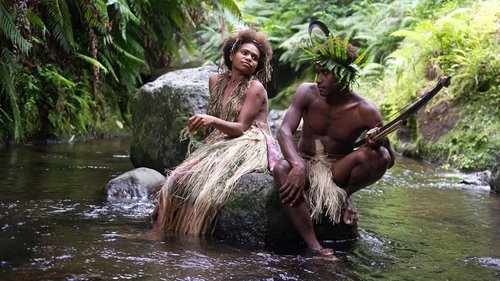





This year’s Academy Awards may well see this film compared to 'Embrace of the Serpent.' It's among the five contenders vying for the Best Foreign Language Film title representing Australia, even though filming occurred entirely on Tanna Island in Vanuatu, and the native Nauvahal language was spoken by the local performers. It proved to be a truly remarkable cinematic experience. I once held a childhood belief that tribal communities, particularly those dwelling deep within jungles, were inherently harsh, similar to the inhabitants of North Sentinel Island. While lacking personal exposure to such cultures, documentaries and films shaped my perspective. This film serves as an important illustration of their lives and traditions. The people of Tanna Island have resisted outside cultural influences in order to preserve customs passed down through generations, some dating back thousands of years. Their children are taught essential skills—from hunting and gathering to cultivating fruits, vegetables, and livestock. However, they also experience conflict with neighboring tribes, sometimes resulting in casualties. The film tells a romance-drama story about a young couple whose love is opposed by their elders, the struggle they face for it, and how this ultimately leads to changes within their customs. It’s essentially Vanuatu's version of the 'Romeo and Juliet' narrative. My heart raced throughout the viewing because I was unfamiliar with these people and their ways, creating a sense that something unfortunate might occur at any moment. While the film avoids graphic violence, the storyline frequently suggests such outcomes. Even in its conclusion, it delivers a message quietly. It’s important to remember that this film is based on events that occurred in the 1980s. > "Our tribes are the last keepers of Kastom. We have to hold it tight to survive." The performances felt authentic because the story draws from their everyday lives, so the actors understood what they were portraying. This was a significant advantage for the filmmakers, allowing them to create something akin to a documentary despite having written a screenplay. The cast members essentially embodied real-life characters and events, with particularly impressive portrayals by Dain, Wawa, Selin, and others. The cinematography is outstanding, as is the musical score. The landscapes are breathtaking, including the active volcanic mountain in the background. Despite inhabiting the region for centuries, it appears untouched and wild. This film offers a glimpse into a world rarely seen. While not a conventional romance like those found in modern society, the experience of falling in love seems universal across all cultures. It’s more than just a love story; initially, it's an introduction to their traditions with moments of lightheartedness, then reveals that they are not isolated. The narrative shifts, and the remaining portion unfolds at a quicker pace, creating excitement. I have seen countless romance films, but this one stands out because most people will never encounter these individuals in real life. We should be grateful to the filmmakers for sharing this beautiful and precious film. This marks the documentary filmmakers' first feature film and its nomination for the American Academy Awards is a remarkable achievement, especially given recognition by both the Australian film society and the Academy juries. I’ll be eagerly anticipating their appearance on the red carpet. Although it faces stiff competition from Denmark’s 'Another Round,' which appears to be the front-runner, that shouldn't detract from the value of this film; it is worth watching for its own merits rather than waiting for a potential award win. Recommended! 8/10
On September 24, 2026
#40222▼ 2688
40222nd by Pulse movie online13.6PULSEPulse MeterOur daily Pulse Meter measures public activity and popularity signals across the web.How it works →