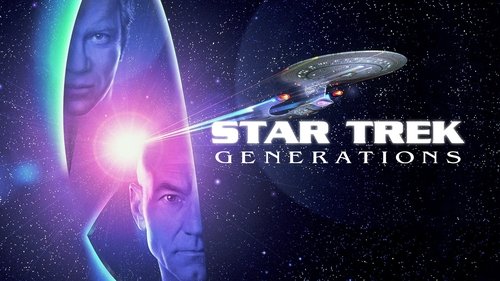





I understand why some viewers might dislike "Generations" (1994) or find it confusing—there are a few plot points that aren't entirely clear, and some things lack thorough explanation. However, the film embraces mystery, which feels appropriate for a space adventure. It’s also a bit complicated, especially for those unfamiliar with previous Star Trek stories spanning two generations. Despite these issues, "Generations" is an ambitious work of science fiction that leaves you with plenty to think about afterward. While some have criticized the Nexus as simply a way to bring Kirk and Picard together, I find it deeply compelling: even the most appealing illusions are just that—illusions. The concept of the Nexus and how it’s woven into the story is brilliant. Who created it? It turns out, the Talosians, who were antagonists in Trek's very first episode, "The Cage." There are many memorable moments: the familiar Trek humor, Data’s funny experiences with an emotion chip, Malcolm McDowell’s excellent portrayal of Soran and his believable motivations, B’Etor & Lursa and their Klingon crew, the sudden destruction of them and their ship, the Enterprise-D's dramatic crash landing, the meeting between Kirk and Picard in the Nexus, and the final confrontation with Soran culminating in Kirk's death. "Generations" offers far more than just simple space battles. One potential plot hole arises: why did Picard return to Veridian III only a minute before Soran launched his rocket, when he could have prevented this earlier? Writer Ronald D. Moore explained that changing the timeline carries unpredictable risks; therefore, Picard’s brief journey from the Nexus was justified. Some viewers question Guinan's simultaneous presence in both the real world and the Nexus. The explanation is straightforward: experiences within the Nexus aren’t necessarily real—people experience what they desire. For example, Picard doesn't have children in reality but experiences them in the Nexus because he wants to. Therefore, while the “Guinan” in the Nexus may seem genuine, she’s merely a construct of Picard’s desires. Still, some individuals within the Nexus are real, like Kirk and Picard. Although the Nexus can be taken as an unexplained space phenomenon (likely created by the Talosians), it also functions as a metaphor. It might initially appear to be a paradise, but it's repeatedly shown not to be real. True “heaven,” as described in religious texts such as 2 Peter 3:13, is always depicted as genuine, not an illusion. If it’s not heaven, what does the Nexus represent? It mirrors any addiction someone uses to escape reality—whether that’s pursuing unrealistic dreams, using drugs, playing video games, or engaging in other distractions. Some people, like Soran, become trapped by these escapes and waste their lives; others, such as Picard and Kirk, recognize the truth and move on to make a difference. Ultimately, this installment, which passes the torch between generations of Star Trek characters, demands focus and an appreciation for complex science fiction. It’s likely to bore those who only enjoy Star Trek for its spaceships and action sequences—though those have their place too. "Generations" isn't afraid to make significant changes, including killing off a major character, supporting characters, and destroying the Enterprise-D. In short, it's science fiction geared toward mature audiences or young people with advanced intellectual capabilities; others should stick to more basic space adventures (chuckle). The film runs for 1 hour and 57 minutes and receives a grade of A.
On September 24, 2026
#22013▼ 67
22013th by Pulse movie online22.4PULSEPulse MeterOur daily Pulse Meter measures public activity and popularity signals across the web.How it works →














