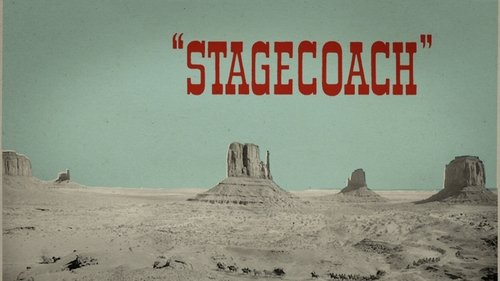





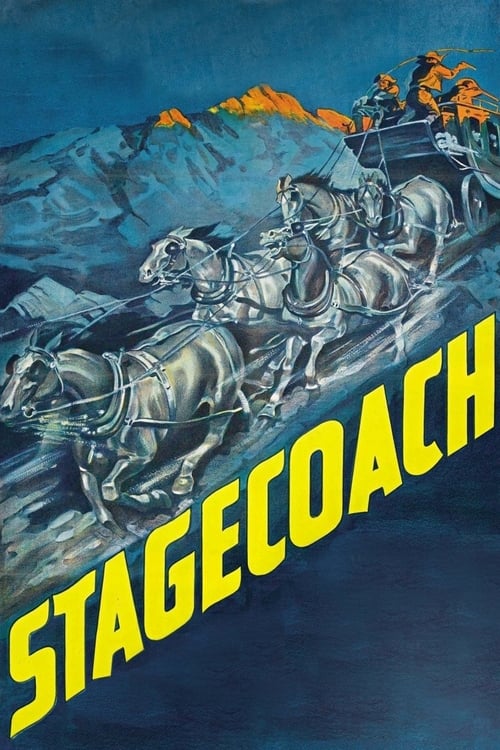
It feels like we’re all suffering from a kind of unfairness in how people are treated, doesn't it? John Ford directed Stagecoach, with a script adapted by Dudley Nichols based on a story by Ernest Haycox. The film features Claire Trevor, John Wayne, John Carradine, Thomas Mitchell, Andy Devine, Donald Meek and Louise Platt. Bert Glennon was director of photography and Boris Morros handled the music. The movie follows six individuals aboard a stagecoach headed to Lordsburg; they’re all very different people with their own personal problems, and some are burdened by guilt and hidden secrets. Their journey is dangerous because Apaches are tracking them across the desert, and the question becomes whether these disparate personalities can find common ground and work together. It's now understood that the 1930s were a difficult time for Western films. The decade started with costly failures like The Big Trail & Cimarron, which led major studios to essentially relegate the genre to low-budget productions. Then in 1937, Ernest Haycox’s story "Stage to Lordsburg" appeared in Collier's magazine; it was inspired by Guy de Maupassant’s short story “Boule de Suif.” John Ford really liked Haycox’s story and bought the rights, relying on Dudley Nichols to turn it into a classic Western. Facing opposition from studio executives, Ford had to fight hard not only to get the film made but also to ensure that John Wayne would play The Ringo Kid. Gary Cooper and Joel McCrea were considered for the part instead of Wayne, and Marlene Dietrich was suggested for the role of Dallas, which ultimately went to Claire Trevor. But Ford stood firm, and he was right to do so, because Stagecoach is now recognized as a wonderful film that not only propelled Wayne to stardom but also helped revive the Western genre and opened the door for other important films that followed. John Ford's first sound Western explores character relationships, with the director examining what would become a signature theme: moral strength arising from those considered less than ideal by society. While Stagecoach remains fairly traditional in its approach to early Western movies, the portrayal of different characters under pressure is expertly crafted by both the director and the cast. Orson Welles appreciated this aspect of the film, calling it perfect filmmaking and even saying he watched it repeatedly while working on Citizen Kane. It’s easy to see why Welles felt that way; we all remember the breathtaking Apache chase scene involving the stagecoach, the stunt work, the sense of urgency, and the stunning scenery of Monument Valley, but the film also has a powerful thematic depth. Ford's ability to combine exciting action with genuine human drama – intimate stories unfolding against an expansive landscape – is why Stagecoach continues to entertain and inspire audiences year after year. From the moment Ford focuses closely on John Wayne’s face, it’s clear that a major star was born; but more importantly, from the opening credits to the very end of Stagecoach, the Western movie genre was essentially reborn. It's close to being a perfect example of the form. 9/10
On September 22, 2026
#5258▲ 322
5258th by Pulse movie online45.6PULSEPulse MeterOur daily Pulse Meter measures public activity and popularity signals across the web.How it works →