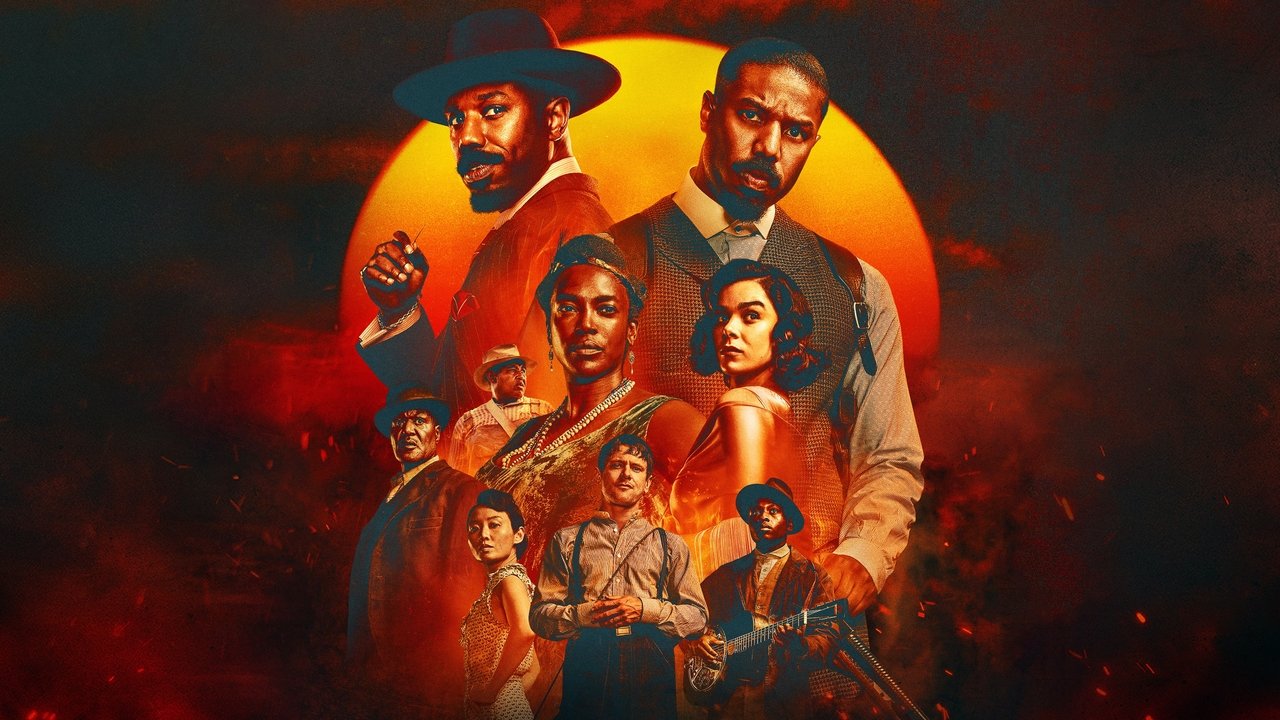





Sinners (2025) – A Spiritual, Sonic, Soul-Shaking Masterpiece There are movies that claim to resonate with history and heritage—but "Sinners" stands apart. Ryan Coogler’s bold, transcendent work blends Gothic folklore, musical soulcraft, and cultural reclamation in a way unlike anything seen before. It doesn't simply echo; it sings, howls, and bleeds. From the opening scene to its powerful conclusion, Sinners is an immersive spiritual experience disguised as horror—a rare anomaly that redefines what cinema can achieve when prioritizing truth over familiar tropes. At the film’s core lies music, not as mere decoration but as a fundamental element. The blues forms the heartbeat of the story, through which Coogler explores generational trauma, Black identity, post-war brotherhood, the weight of history, and the ongoing struggle for Black ownership amid cultural erasure. What's truly remarkable is how Sinners fuses these themes with a chilling yet poetic vampire mythos that feels entirely authentic. It’s horror elevated – arthouse, operatic, biblical in scope. The Blues as Bloodline Set in the Mississippi Delta during the 1930s, Sinners follows twin brothers Smoke and Stack—both portrayed with striking distinction by Michael B. Jordan—as they return home to open a juke joint. This place becomes more than just a bar; it’s a sanctuary of soul, where Black people gather to celebrate joy. The walls of the juke joint seem to vibrate with possibility, danger, and prophecy. A pivotal moment elevates "Sinners" beyond a great film into something akin to a sacred text. Sammie, the preacher's son turned guitar prodigy, takes the stage. He plays the blues—slow, aching, rooted in ancestry. As he sings, the camera glides across the dance floor, capturing the swelling joy of Black culture. Then, the music begins to evolve, weaving through African tribal chants, gospel, jazz, funk, soul, R&B, and hip-hop, all building upon the foundation of the blues. It’s not a medley; it's a resurrection—an invocation that summons something darker. Outside the joint stands Remmick, captivated by the sounds, his eyes glowing, a deranged smile on his face. He listens intently, seemingly absorbing the cultural history as the place is engulfed in spiritual fire. Sammie’s music had called to something ancient, seductive, and born of sorrow itself. A Clash of Cultures—Scored to Perfection What Coogler and composer Ludwig Göransson accomplish with the film's score is revolutionary. The music isn’t just thematic; it's political and narrative in nature. When scenes celebrate Black culture, the music leans toward blues, jazz, and rhythm. But when Remmick and his fellowship—white vampires born of pain and craving—invade, the score transforms into harsh metal and noise. This clash is jarring and purposeful, feeling like an act of war. The blues isn’t just a style; it's a battlefield, and the music becomes both weapon and lament. The result is a full-body experience. As Remmick’s power grows, the music intensifies, becoming less familiar—a striking metaphor for how Black culture is often appropriated, corrupted, and consumed until unrecognizable to its creators. Yet, it fights back; every scene feels like a spiritual struggle waged through melody and rhythm. Remmick: The Devil At The Door Jack O’Connell delivers a disturbingly charismatic performance as Remmick—a prophet of perversion who
On September 20, 2026
#75▲ 28
75th by attention movie online66.9Attention ScoreAttention ScoreOur daily Attention Score measures public activity and popularity signals across the web.How it works →














