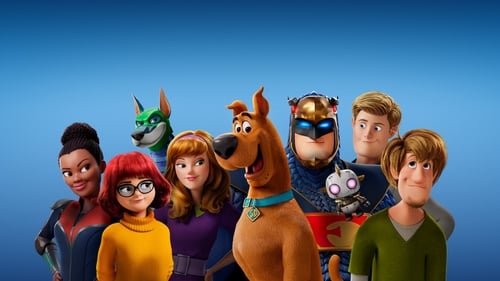





I wasn’t particularly attached to the Scooby-Doo animated series when I was a kid. Like most children, I enjoyed it, but it never created that sense of eager anticipation I felt for shows like Dragon Ball Z or Timon & Pumba. I distinctly remember getting excited about those broadcasts, something I never experienced with Scooby-Doo, and I’m not sure why. Perhaps my interest in science fiction and the unknown meant that consistently explaining every supernatural occurrence as a person in disguise didn't appeal to me as much. Regardless, I still appreciated the series, and my memories are full of its signature elements: the multiple unmaskings of villains, Scooby’s habit of leaping into Shaggy’s arms when they were both frightened, the oversized sandwiches—you name it. Ironically, the biggest praise I can offer the film is also tied to its main shortcoming. For those familiar with the show, these classic moments will provide plenty of nostalgia and entertainment, so anyone seeking that will find it. While Scoob! doesn’t feel like a generic movie crammed with product placement—unlike Sonic the Hedgehog—I get the impression that the studio was uncomfortable with their own property. They seemed determined to make the film fit within current trends, forgetting what made the show special for so many people. From the odd song choices to the overly modern plot elements, the narrative noticeably follows an Avengers-style structure, complete with a clear reference to Captain America’s shield. They apparently didn't think that Mystery Inc. and their reliable storytelling approach would hold the audience’s attention, so they decided to borrow from one of today's most popular genres, sacrificing the core identity of their own creation. Despite including many familiar scenes from the cartoon, it still feels disconnected from its source material. Furthermore, if you aren’t already a Scooby-Doo fan and don’t know anything about it, this film doesn’t offer much in the way of explanation. Fred, Velma, and Daphne are quickly separated from Shaggy and Scooby (due to a comically absurd scene that will likely only appeal to children), so there isn't much character development for most of the group. The movie primarily focuses on the pair's adventure and their relationship, which is explored in a predictable but effective way, leaving three out of five members of Mystery Inc. feeling sidelined. Actually, it occurs to me that Scoob! doesn’t even have a central mystery to solve! In the cartoons, each episode revolves around uncovering what or who is behind a specific paranormal event. This film follows that pattern for about fifteen minutes—serving as an origin story for the gang—and then veers off in a completely different direction. I won't criticize the plot’s silliness because it’s clearly aimed at children, but these forced attempts to update Scooby-Doo for 2020 are what ultimately disappoint me. The voice acting is strong, and hearing Frank Welker reprise his role as Scooby is a genuine pleasure. Overall, Scoob! has almost all of the classic moments from the original cartoon, which will likely satisfy longtime fans and evoke feelings of nostalgia. The voice work is also quite good, particularly Frank Welker’s performance as Scooby. However, the studio undermines the film with numerous attempts to modernize the reliable formula that the show used for decades. From its superhero-inspired plot to the absence of a central mystery, director Tony Cervone finds himself dealing with a writing mess (involving four screenwriters and three “story by” credits) from a company seemingly embarrassed by their own creation. If you’re a dedicated fan of the animated series, this movie might leave you content. But if you don't have an established connection to these characters and their classic adventures, or if you’re unfamiliar with the franchise altogether, Scoob! won’t bother to introduce or develop its characters, and it certainly won’t win you over. Rating: C-
On September 22, 2026
#2802▼ 94
2802nd by Pulse movie online50.4PULSEPulse MeterOur daily Pulse Meter measures public activity and popularity signals across the web.How it works →