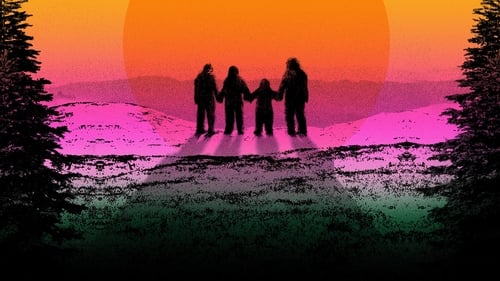




Films that allow a glimpse into communities unlike our own can reveal how similar—or dissimilar—those cultures really are. It’s particularly fascinating when these films explore societies of beings different from ourselves, which is what David and Nathan Zellner attempt with their newest project. Known for unusual releases like “The Art of Self-Defense” (2019) and “Kumiko, The Treasure Hunter” (2014), the filmmaking brothers this time present a documentary-style look at a year in the lives of a bigfoot family of four living in Northern California’s forests. The camera follows them through everyday situations that mirror human experiences, only within a completely different setting. The film includes various comedic and dramatic events to which audiences can likely relate, often on a very raw and unfiltered level, involving activities we all participate in but rarely discuss openly. Structured into four acts, the movie beautifully portrays their experience of life in the woods, featuring gorgeous visuals of Northwestern landscapes and forest wildlife, along with natural expressions of individuals discovering the many aspects of a world they believe is theirs. But is it? As they encounter unusual situations that differ from what they’ve previously known, they must learn to adapt when evidence suggests their world could be drastically changing—even disappearing—before their eyes. In this way, the film quietly conveys an important environmental message (appropriately timed for an Earth Day release) that we should consider in light of the unsettling experiences of these unique characters. While the film’s sequences occasionally feel repetitive and contain a fair amount of undeniably crude humor, it is still entertaining, clever, and thought-provoking, enhanced by its stunning cinematography, emotive original score, and impressive makeup and prosthetics. Despite these strengths, some have carelessly compared this production to an extended Saturday Night Live sketch or a parody of the opening sequence of Stanley Kubrick’s “2001: A Space Odyssey” (1968). However, those comparisons do not give this film enough credit as something that will simultaneously make viewers laugh and ponder. With a concise 1:28:00 runtime and a talented cast portraying the quartet of remarkably perceptive primates (Jesse Eisenberg, Riley Keough, Nathan Zellner, Christophe Zajac-Denek), “Sasquatch Sunset” makes for an intriguing watch, if audiences approach it with an open mind. Ultimately, if we hope to achieve greater understanding about those who are different from us and share this world—not to mention the impact we have on one another—we should try to understand what this film is trying to communicate, while there’s still time for both of us.
On September 25, 2026
#13014▼ 2972
13014th by Pulse movie online30.8PULSEPulse MeterOur daily Pulse Meter measures public activity and popularity signals across the web.How it works →














