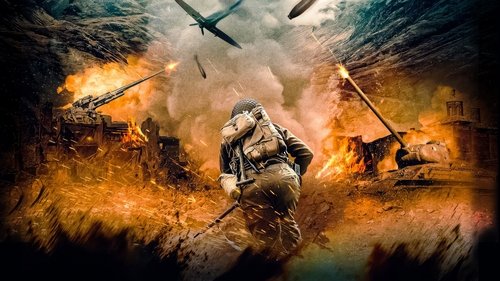





The film depicts an effort to establish a line of oppressive rulers. Although the central plot involves moving troops across a river using military means, much of the movie focuses on the crews operating anti-aircraft guns and bomber pilots. The dramatic elements feel somewhat excessive, though that was also common in American war films. Viewers shouldn't anticipate a traditional narrative arc or resolution. The portrayal of heroism becomes quite unbelievable during the final third. It’s certainly a matter of viewpoint—specifically, the Chinese perspective. A vast number of Chinese lives are seemingly expended to showcase military power and install that dictatorial family in North Korea. The idea of sacrificing one's life not for defending one’s own country but for supporting a corrupt dynasty in another nation is something worth questioning, especially looking back. This is a large-scale production, mirroring the heroism and production values found in Hollywood’s patriotic American films. It adheres to familiar, perhaps now globally recognized formulas: impressive visuals, numerous extras in period attire, explosions, graphic violence, heroic displays, some computer-generated imagery, suspense, drama—all the expected elements are present and generally well executed. The editing feels jarringly modern, though. There’s no reason not to embrace a Chinese war movie. Alternating perspectives between segments is an effective technique, although it's nothing new. It also seems intended to reduce costs by reusing footage. A film made today from an Italian viewpoint that uncritically endorsed Hitler’s regime would have a similar feel. The key difference is that Nazi Germany was defeated, while the open-air prison that is North Korea continues to exist.
On September 23, 2026
#39898▲ 2238
39898th by Pulse movie online13.7PULSEPulse MeterOur daily Pulse Meter measures public activity and popularity signals across the web.How it works →