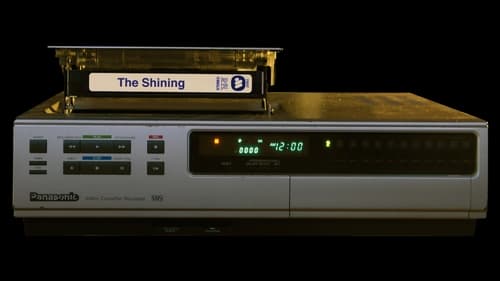





The statement that at the end of *The Shining*, the protagonist is reduced to a screaming ape, mirroring the behavior of apes in the opening scene of *2001*, might be the most grounded observation within *Room 237*, a documentary by Rodney Asher. The film provides a platform for some rather unusual interpretations of Stanley Kubrick’s adaptation of Stephen King's novel, *The Shining*. Essentially, *Room 237* presents excerpts from *The Shining* – and other films primarily drawn from Kubrick’s or Jack Nicholson’s work – that are manipulated through techniques like slowing down, speeding up, repetition, splitting the screen, reversing footage, layering images, and adding arrows or directional cues. These visual alterations aim to support the points made by five contributors during voiceover narration. Bill Blakemore, a respected journalist, initiates the discussion with an interpretation suggesting the film is an allegory for the slaughter of Native Americans, citing the Overlook Hotel’s supposed construction on an old Indian burial ground and the presence of Native American imagery within the hotel. He focuses on details like a baking powder tin depicting a Native American chief, the elevator doors closing as blood floods the shaft, which he sees as representing white men's unwillingness to confront their actions, and the axe used by Jack Torrance. Geoffrey Cocks, an author specializing in Nazi Germany and cinematic allegory concerning the Holocaust, connects the axe scene and Jack’s “Little pigs” dialogue to Disney’s racially problematic 1933 short *The Three Little Pigs*. He further incorporates Jack Torrance's German typewriter and recurring appearances of the number 42, claiming their combination signifies the Holocaust. Juli Kearns seemed preoccupied with mapping out the Overlook Hotel, which mainly served to highlight continuity errors likely resulting from Kubrick’s desired shots. She also proposed some speculative theories about symmetry and minotaurs. John Fell Ryan's ideas were less developed; he primarily presented a bizarre theory from another individual who declined on-screen participation involving watching the film forwards and backwards simultaneously. Ultimately, his lack of extensive theorizing made him appear comparatively reasonable. The most outlandish perspective comes from Jay Weidner, described as an authority on hermetic and alchemical traditions. He posits that *The Shining* is Kubrick’s implicit confession about staging the moon landings for NASA. The room number 237—changed from 217 in the book—was supposedly the soundstage number used for filming those events, coinciding with the distance to the moon. Jack Torrance's speech about responsibilities was interpreted as Kubrick addressing his wife regarding his involvement with NASA. Bill Watson, a briefly seen caretaker, represents the CIA monitoring the President (represented by Ullman), according to Blakemore’s interpretation of Native American subjugation. It seems these individuals haven't considered that their detailed analysis might simply reveal filmmaking shortcuts and continuity errors. However, fueled by an adoration for Kubrick’s perceived perfectionism, they believe any apparent mistake holds a deliberate, hidden meaning. Despite its absurdity, *Room 237* is entertaining due to its "What the?!" factor. The filmmaker doesn't seem intent on ridicule; he appears genuinely fascinated by extreme interpretations of familiar material. It’s an enjoyable exploration of conspiracy theories and their appeal. The film earns a rating of 8/10, recommended for fans of *Trekkies*, *Superheroes*, or those interested in stories from the grassy knoll—and, naturally, for people who appreciate *The Shining*.
On September 24, 2026
#9034▲ 2926
9034th by Pulse movie online38.7PULSEPulse MeterOur daily Pulse Meter measures public activity and popularity signals across the web.How it works →