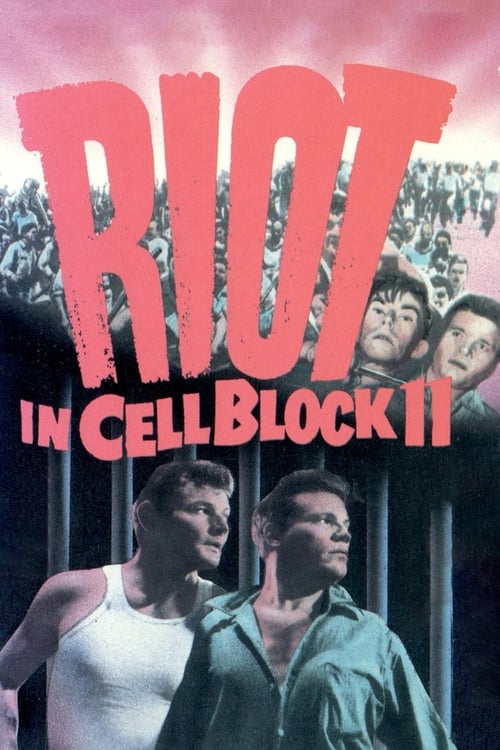




It was quite unexpected to learn that the lesser-known film *Riot in Cell Block 11* is being released on DVD through Criterion soon. The movie is a semi-documentary noir from the early 1950s, depicting a fictional riot at Folsom State Prison in California. The film presents itself as a documentary, foregoing typical noir elements like dramatic shadows and flashy camera work. But don’t let its appearance fool you; it's truly unique. Director Don Siegel, who would later become known for his collaborations with Eastwood and big-budget films of the 70s and 80s, demonstrated considerable talent earlier in his career. Some film historians credit him with his best work during those early years, but I believe they may be mistaken. He directed several exceptional noir films—many of which have been featured here—not because of any particular directorial style, but simply because the movies themselves are so good. Titles like *The Verdict*, *The Big Steal*, *Count the Hours*, *Private Hell #36*, and *The Lineup* all stand out as outstanding examples. These films alone could place Siegel among the very best noir directors, without even mentioning the influential sci-fi noir *Invasion of the Body Snatchers*. *Riot in Cell Block 11* feels ripped from current events. It begins with newsreel footage and a voiceover showing prison riots across the nation. The riot at Folsom is sparked by mistreatment of inmates, and the use of unknown actors alongside actual prisoners and staff lends the film an undeniable authenticity, further enhanced by its on-location shooting. My only reservation about the movie is that it softens some of the harsher realities of prison life. The filmmakers avoid showing any real brutality, unlike something as bleak as *The Shawshank Redemption*. It’s surprising, especially given that the producer had recently spent time incarcerated himself, that the film doesn't delve into corruption or other issues faced by prisoners at the time. Producer Walter Wanger was released from jail just months earlier after shooting his wife's lover—his wife being Joan Bennett, known for *The Woman in the Window*. A successful producer, Wanger’s financial troubles and that unfortunate incident brought an end to a period of prosperity. Upon his release in 1951, he secured a $5 million deal with Allied Artists and produced the relatively low-budget *Riot in Cell Block 11*. As is often the case with noir films, the story behind the movie can be as compelling as the film itself. Not only had Wanger just served time, but one of his actors also had a criminal past. Leo Gordon spent time at San Quentin for armed robbery; rumor has it he was strip-searched daily on set during filming because of his history. Siegel described him as “the scariest man he ever met,” and he’s the actor seen in the trailer flipping a knife into someone's chest. Western and noir fans will recognize Neville Brand, Emile Meyer, Frank Faylen, and Whit Bissell among the cast. However, most viewers are likely to be unfamiliar with them and simply appreciate this gritty film with its bittersweet conclusion. Audiences of the 1950s embraced it, keeping it in theaters for an extended period. It’s easy to confuse *Riot in Cell Block 11* with another Folsom prison movie, *Inside the Walls of Folsom*, released in 1951 and starring Steve Cochran. That earlier film was the first to be shot at the actual prison and served as an inspiration for Johnny Cash's music. A Warner Bros. production, it adheres more closely to traditional noir conventions and portrays Folsom as a harsher, more frightening place. *Inside the Walls of Folsom*, like *Brute Force*, tends to portray prisoners in a more sympathetic light than the guards and warden. Perhaps prison officials insisted on toning down the portrayal when allowing another film production at Folsom. Regardless, *Riot in Cell Block 11* is the stronger film and a worthy addition to Criterion’s collection.
On October 4, 2026
#41893
41893rd by Pulse movie online1.8PULSEPulse MeterOur daily Pulse Meter measures public activity and popularity signals across the web.How it works →