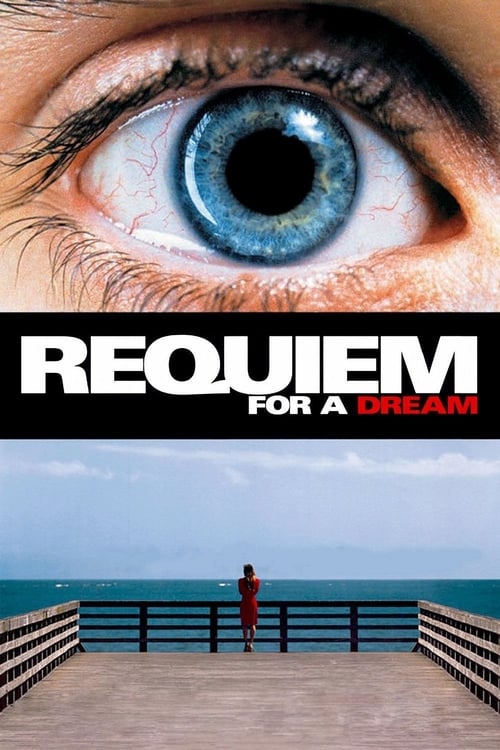





Requiem for a Dream, directed by Darren Aronofsky, is a psychological drama film adapted from Hubert Selby’s 1978 novel of the same name, set in New York during the 1970s drug era. Selby had already envisioned his book as a potential movie and even prepared a screenplay, which he presented to Aronofsky. Darren then reworked the script with another writer before directing it; this was his second official film after *Pi*. The cast includes Ellen Burstyn (as Sara Goldfarb), Jared Leto (as Harry Goldfarb), Jennifer Connelly as Marion Silver (Harry’s girlfriend), and Marlon Wayans as Tyrone C. Love (Harry's friend). The story unfolds over a year in the Coney Island district of New York. Harry, Sara’s son, is a drug-dependent former student who frequently sells his mother’s television to buy drugs like heroin, crack, and marijuana, with assistance from Marlon. His girlfriend, Marion, also aspires to be a fashion student and shares his drug use. The plot traces the progression of a drug-fueled summer, each month reflecting the effects of substance use—the high, the withdrawal—and involves Sara, a lonely widow who spends her time watching television programs about weight loss and harboring dreams of appearing on one herself. After receiving a letter suggesting she might be selected for such a show, and following an unsuccessful diet, she attempts to lose weight with prescribed medication, which leads to addiction as her body adjusts to the dosage. Like many of Aronofsky’s films, this drama portrays the passage of time and drug use in a distinctive and intense manner—something I appreciate, as he is definitely within my top 10 directors/writers. The performances by young Leto and Connelly early in their careers are excellent, and Ellen Burstyn received an Oscar for her portrayal. It’s not an easy film to watch, but it realistically depicts the effects of drugs, from brief moments of euphoria presented through hip-hop sequences to the sudden, devastating consequences of withdrawal as it destroys the protagonists' lives. The movie becomes particularly difficult to endure toward the end, which is what one might expect, especially considering its release in the early 2000s. Various cinematic techniques—split screen, time-lapses, long shots, and close-ups—are employed, and the editing is intense, using four times more sequences than a typical film to reflect the frenetic nature of drug use. Given Aronofsky’s relatively early stage in his career, it seems unlikely he would have been nominated for additional Academy Awards such as those for editing, cinematography, and the original soundtrack (which features string quartet arrangements by Pulitzer Prize-winning composer David Lang). Even now, twenty years after its creation, it remains a very enjoyable and essential film to understand how groundbreaking it was at the time. It’s just as significant in depicting drug addiction as *Kids* was for portraying sexuality (*Trainspotting* is something I haven't seen so I can't compare). I would give it a solid 9.5 out of 10, an A+, and consider it a masterpiece that showcases traditional techniques and should be viewed by any cinema enthusiast.
On September 29, 2026
#2647▲ 12
2647th by Pulse movie online11.1PULSEPulse MeterOur daily Pulse Meter measures public activity and popularity signals across the web.How it works →