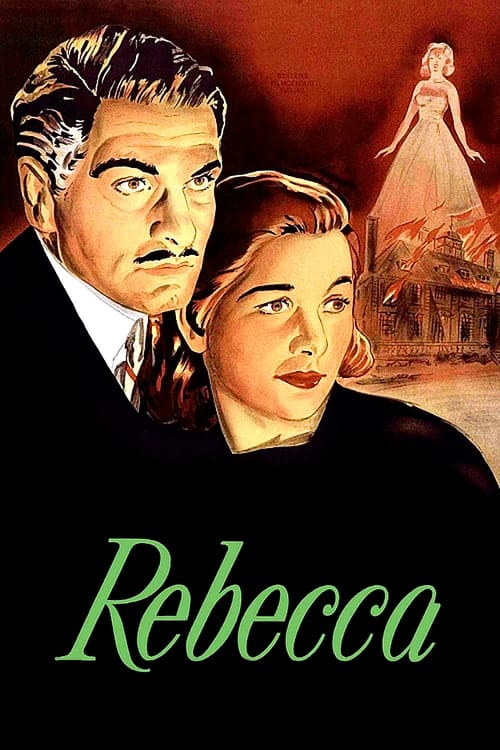




Do you ever wonder if those who have passed on linger to observe the living? Alfred Hitchcock directed *Rebecca*, which was adapted from Daphne du Maurier’s novel of the same name. The film stars Laurence Olivier, Joan Fontaine, and Judith Anderson. George Barnes handled the cinematography, with a score by Franz Waxman. Following her marriage to ‘Maxim’ de Winter (Olivier), the Second Mrs. de Winter (Fontaine) discovers that life at his English estate, Manderley, is far from pleasant. The staff and the house itself constantly remind her of the first Mrs. de Winter, whose death remains shrouded in mystery. What actually happened to the previous mistress of the manor? Can this newly formed couple endure the oppressive atmosphere hanging over the grand home? A Gothic emotional achievement, Hitchcock’s first American film occasionally feels a bit conventional, something he himself recognized; however, the production values are high and the story unfolds exceptionally well. The familiar theme of mistrust toward women appears within the narrative, but primarily it's the tragic story of a young woman living under the ominous shadow cast by the former Mrs. De Winter. Hitchcock demonstrates an understanding of the source material’s psychological depth as the action shifts to Manderley, establishing a mood that is frequently foreboding. It might be slightly too lengthy, and limitations imposed by Hitchcock, including oversight from producer David O. Selznick, prevented it from being even more unsettling than it is. Manderley itself stands out as one of cinema’s finest locations; this is because Hitchcock and the talented George Barnes manage to portray it as both striking and beautiful at times, while in other scenes it appears as an imposing nightmare. It's a remarkable example of how settings can function as another character for maximum impact. Laurence Olivier delivers an impressive performance, though later we would learn that he could likely have given this type of portrayal effortlessly. The supporting cast also does excellent work, particularly Judith Anderson’s chilling depiction of Mrs. Danvers. Still, to my mind, the film belongs to Joan Fontaine; she is superb in the role. The new Mrs. De Winter strives to do what's right, but seems destined for missteps, and at times she can be frustrating, yet the next moment you feel compelled to protect her because of her vulnerability—it’s a truly brilliant performance in a remarkable film. The conclusion deviates from the novel, and it nearly undermines all the success the movie had achieved up until that point. Now, it's difficult not to lament how the Production Code forced a significant alteration to what was revealed in du Maurier’s original story. Despite this change, the film has endured and stood the test of time. It received the Academy Award for Best Picture, with Barnes also winning for Best Black & White Cinematography. It garnered nine additional nominations, including those for Best Director, Best Actor, Best Actress, and Best Supporting Actress. Waxman was overlooked, unfortunately, but his score deserves recognition for its evocative nature that complements the story’s tone. *Rebecca* is a hauntingly beautiful film, acted and produced with exceptional skill. 9.5/10
On September 27, 2026
#2890▼ 1780
2890th by Pulse movie online48.0PULSEPulse MeterOur daily Pulse Meter measures public activity and popularity signals across the web.How it works →