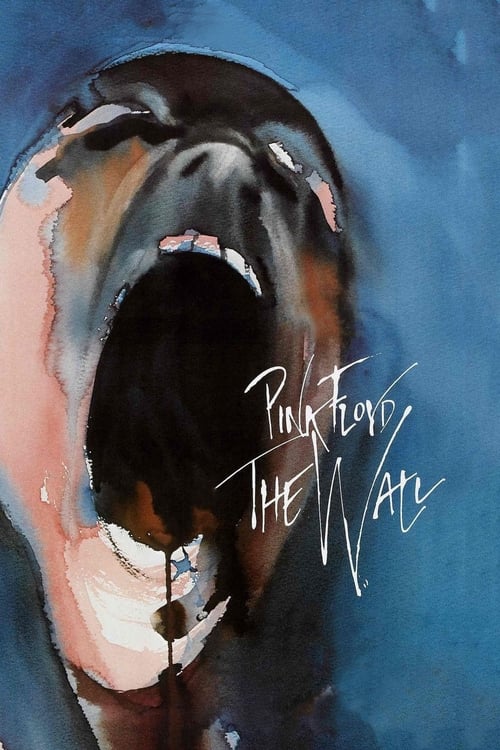




The use of Pink Floyd's well-known album as accompaniment doesn't just make this colorful movie engaging; it also gives Alan Parker the freedom to consider each song as a starting point for very different approaches to storytelling. A consistent thread runs through the story, focusing on “Pink Floyd” (Bob Geldof), who experienced loss with his father during wartime, faced abandonment from his wife, and has since retreated behind a barrier—both tangible and emotional—in an attempt to heal from a restrictive upbringing that suppressed his natural creativity. As he achieves significant musical success, his inner struggles intensify, and the wall begins to exert controlling forces that may prove impossible to overcome. The subsequent events sharply contrast the defenselessness of youth with the instability of adulthood, depicting sexual activity alongside equal frustration, and through stylized photography, we're taken on a wild journey. Those who recall the opening credits from “Yes, Minister” will recognize Gerald Scarfe’s distinctive and exaggerated artistic style, which is most evident in my favorite segment near the film’s conclusion; he also created several other significant moments in the life of a man whom I struggle to imagine being portrayed as effectively as Geldof does, investing considerable emotion into a performance that feels completely authentic. It's bizarre and enjoyable, and even if you aren't familiar with the band, this movie demonstrates innovation more noticeably and inventively than most music videos that came after it.
On September 29, 2026
#3054▲ 68
3054th by Pulse movie online47.8PULSEPulse MeterOur daily Pulse Meter measures public activity and popularity signals across the web.How it works →














