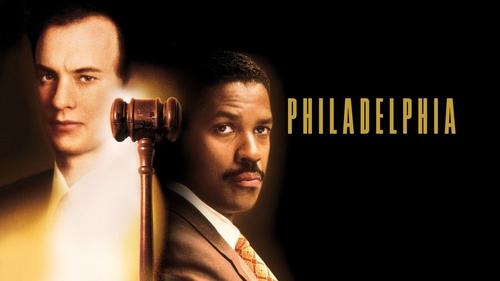




The film's importance can hardly be overstated, especially considering the widespread homophobia fueled by AIDS at the time of its release. From the very beginning, with Bruce Springsteen’s gentle opening song, it challenges many of the biases that existed not only in the United States but globally. It is also, without a doubt in my opinion, Tom Hanks's finest work as he portrays ambitious lawyer "Andy," who is experiencing health problems. Medical tests reveal devastating news that he shares with his family and boyfriend, "Miguel" (Antonio Banderas), though he isn’t ready for the prospect of losing his job. Fortunately, he had previously encountered “Joe” and asks him to represent him in a wrongful termination suit. "Andy" is open about both his sexuality and his condition, and the visibly hesitant "Joe" initially refuses. A chance encounter in a law library days later reveals just how much prejudice this obviously ill man faces in seeking fair treatment, which ultimately leads “Joe” to change his mind. What follows appears to be simply another courtroom drama, but it’s significantly enhanced by the willingness of prominent Hollywood figures to portray the genuine fear, revulsion, and even animosity that emerges as the story unfolds. Washington's character has his own prejudices to confront, and Jason Robards, despite limited screen time, is impactful as the former employer who struggles to hide his disdain for his previous top employee. The writing is skillful in avoiding excessive sentimentality or clichés while offering a powerful depiction of a struggle for justice – not only within the courtroom but also against a fearful and antagonistic public. This film provides a stimulating cinematic experience that handles its subject matter with considerable skill, and although it can be difficult to watch at times, it’s ultimately rewarding.
On September 24, 2026
#2293▼ 329
2293rd by Pulse movie online51.5PULSEPulse MeterOur daily Pulse Meter measures public activity and popularity signals across the web.How it works →