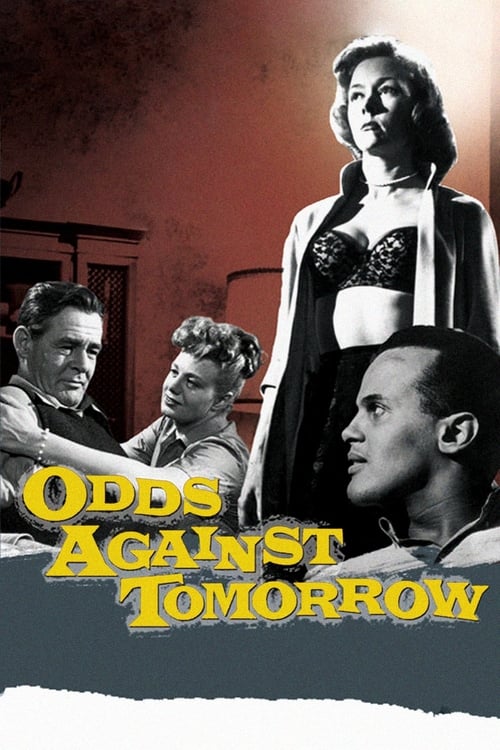





Odds Against Tomorrow comes from director Robert Wise and features a screenplay by Abraham Polonsky and Nelson Gidding, based on a novel by William P. McGivern. The film includes performances by Harry Belafonte, Robert Ryan, Ed Begley, Shelley Winters, and Gloria Grahame; John Lewis composed the music, and Joseph C. Brun handled the cinematography. There’s no need to bring up old arguments here; everyone's in this together—we’re all on equal footing. We have to look out for one another, it’s a single plan, our only shot at securing something permanent. And I don’t want to hear about what your grandfather thought about the farm back in Oklahoma. Understand? Odds Against Tomorrow is a dark and pessimistic story filled with racism that delivers a strong noir feel. It centers on three men involved in a heist, each driven by their own motivations for breaking the law to attempt what seems like an uncomplicated job. Begley portrays a disgruntled former police officer, Ryan embodies a man struggling to survive through his girlfriend, and Belafonte is a gambler who isn’t very successful—now his financial supporter wants repayment or there will be serious consequences. Essentially, everyone is bad. Wise takes his time, developing the characters and their internal struggles for a significant portion of the film's length. This is effective. The racial tension is noticeable; Earle Slater (Ryan) displays virulent racism, which naturally creates friction with Johnny Ingram (Belafonte). Their scenes together are charged with intense animosity, contributing to the overall themes of the movie. It’s a bleak and unpleasant experience, further emphasized by the two women connected to Slater. They aren't seductive figures, but Lorry (Winters) and Helen (Grahame) are tragic characters for different reasons, both adding to the pervasive negativity of the story—Helen’s scene with Slater includes particularly sharp writing. Hello dear! The filmmakers incorporate familiar noir elements: male accomplices, scarred bystanders, biting dialogue, and a number of scenes and images that stick with you. Daytime sequences have a threatening quality, often enhanced by carefully chosen visuals like deflated balloons, a damaged doll, a rusty can, a spinning carousel, or even a peaceful shot of a rabbit in the sights of our most hateful protagonist. Brun’s nighttime photography on city streets creates an oppressive and foreboding atmosphere, while the cramped interiors—a small apartment (complete with unsettling stairs) and a smoky club (with excessive percussion)—are filled with a claustrophobic sense of despair that suits the narrative. Throughout it all, John Lewis provides richly atmospheric jazz music. Everything leads to the final act, the heist and the emotional fallout, signaling a welcome arrival in noir territory. The meaning is clear, and any fan of film noir owes Robert Wise thanks for altering the ending from the original book. Even the director of some of the most well-liked musicals ever made could craft a story with a cruel heart. Thank you, Bobby. 9/10
On September 28, 2026
#24550▼ 3739
24550th by Pulse movie online20.5PULSEPulse MeterOur daily Pulse Meter measures public activity and popularity signals across the web.How it works →