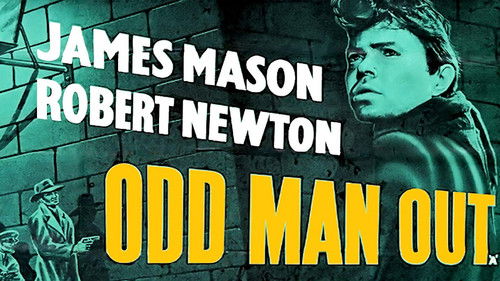





Johnny McQueen leads the IRA and escapes from prison, finding refuge for half a year with Kathleen, who clearly adores him. While in hiding, he plans to rob a Belfast mill to finance his organization. The robbery goes wrong, resulting in Johnny killing someone during a struggle outside the building; he is then shot and unable to escape with the others involved. This film truly embodies the idea of cinema as visual art—it's an exceptional work that uses striking images and clever dialogue to portray Johnny McQueen’s downfall. We are captivated (and listen carefully) as Johnny stumbles through Belfast’s streets, aware that his life is ending. The entire city seems to be searching for him, whether it’s the police, acquaintances, or those hoping to profit from his situation; his fate isn't so much set in stone as it is written in blood on the snow. The most remarkable thing about this film is how it made me feel like I was dying myself—and that, I think, is a testament to its power. Director Carol Reed and cinematographer Robert Krasker place you directly into McQueen’s mindset; a sense of impending doom permeates everything, and the distorted, hallucinatory sequence towards the end weighs heavily on the viewer. It's an impressive achievement. Certain shots are particularly beautiful, especially when the snow begins to fall against the Victorian settings, but we also consistently see damp, misty cobblestone streets illuminated by gas lamps, creating moody shadows of people and buildings. While Krasker provides the film’s visual atmosphere, Reed excels with sequences like portraits assembling before McQueen or faces appearing in spilled beer bubbles—images drawn from McQueen's feverish thoughts. James Mason delivers a brilliant performance as Johnny McQueen, even though he doesn’t have extensive dialogue; the script doesn’t require it, but his acting is simply superb, conveying desperation with just a look. There are many memorable characters, such as Lukey, the artist who seems to be on the edge of madness (played wonderfully by Robert Newton), or Shell, motivated purely by money (F.J. McCormick). No character feels like a minor appearance; they all contribute to this carefully constructed film. The score by William Alwyn is perfectly suited and essential to conveying the film’s central themes, and the ending is pure noir perfection—it took me several minutes to fully process it during the closing credits. It's an unforgettable and poetic work, a rare gem that is tragically beautiful. 9/10
On September 24, 2026
#14601▼ 1471
14601st by Pulse movie online30.3PULSEPulse MeterOur daily Pulse Meter measures public activity and popularity signals across the web.How it works →