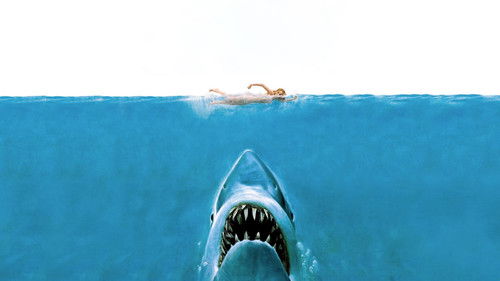





The film unfolds gradually, beginning with a slow burn before erupting into sensational action. Jaws stands out as one of those rare instances where sophisticated art aligns with pure entertainment. At the time of its production, however, simply surviving was the primary hope for the cast and crew. But Spielberg crafted something special. During filming, no one seemed to recognize it—I’m not even sure Spielberg himself did, but it existed. I believe editor Verna Fields truly grasped what it was and assembled it effectively. Jaws initiates with a familiar kind of dread: someone is isolated in the darkness, within an unfamiliar setting, and under attack from an unseen threat. People often comment on how well Jaws worked to instill fear of the ocean; however, I think that’s because we already harbor anxieties about the sea—that's why it resonates so strongly. The initial scene, depicting a young woman being attacked in the black expanse of the night ocean, is frightening because it taps into deep-seated fears rather than inventing them. We are then introduced to the characters: Police Chief Martin Brody, an ordinary man with a fear of water, and his wife Ellen. There's also Brody’s dependable deputy Len Hendricks (who is oddly credited as "Jeff" in the sequel). On the other side, we have crooked Mayor Larry Vaughan, supported by newspaper editor Harry Meadows and coroner Carl Santos. After Brody and Hendricks discover evidence of a hungry shark near the resort town of Amity, they naturally decide to close the beaches. The mayor, concerned about lost revenue, persuades Meadows and Santos to oppose Brody’s plan to shut down the beaches. In an era when limited special effects technology resulted in a shark that resembled a child's pool toy, it became crucial that the shark not be the film's central focus. While glimpses of a fin or barrel are effective, they only work because the shark isn't the sole antagonist. A human villain is essential for believability, and that’s where Vaughan comes in. Following Vaughan’s dismissive attitude toward the danger, Brody enlists Matt Hooper, an intelligent but somewhat out-of-place marine biologist. Hooper confirms what Brody and the audience already suspect: The shark is present; it's hungry; it’s consuming people; and it will persist unless eliminated. After a disastrous Fourth of July celebration that should have resulted in Vaughan’s removal from office, Brody and Hooper join forces with Quint, an experienced fisherman driven by a personal grudge against sharks. The movie then transitions from horror and drama to something resembling an adventure story, foreshadowing Spielberg's later work on films like Raiders of the Lost Ark. Even John Williams' score begins to evoke images of Errol Flynn-style swashbuckling adventures. That’s when the shark, previously only a shadow or a topic discussed in dialogue, finally takes center stage. The film shifts further into full-blown monster movie territory. The suspense builds slowly, emphasizing the consequences of the shark's presence rather than showing the creature itself. This generates sufficient fear and credibility that by the time the large, rubbery shark dominates the screen, we are genuinely afraid of it; its monstrous nature has already been established. The film’s pacing, dialogue, and acting are all flawless, creating a solid base for a somewhat silly, yet terrifying, storyline. By the point where the shark is sinking boats and destroying shark cages, Spielberg has convinced us that he could have had the shark launch into space, and we would still accept it. That's how and why Jaws succeeds.
On September 22, 2026
#228▲ 4
228th by Pulse movie online57.3PULSEPulse MeterOur daily Pulse Meter measures public activity and popularity signals across the web.How it works →














