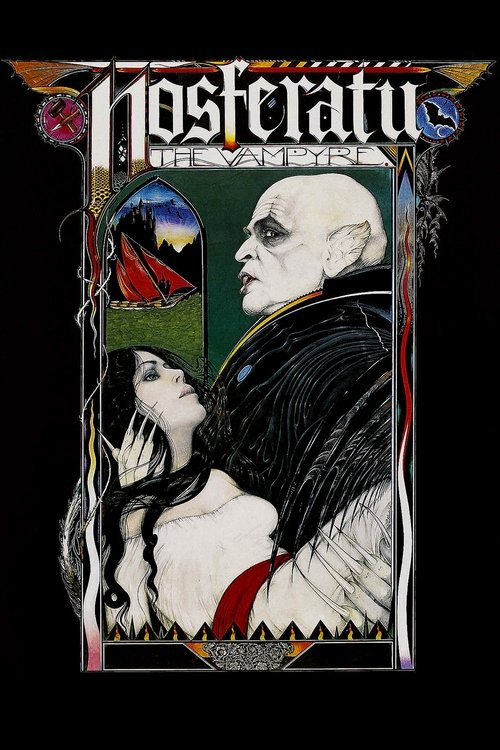





Werner Herzog’s “Nosferatu the Vampyre” boasts visuals of striking beauty; the imagery is so captivating it prompts a question: how did Herzog locate these locations? The depictions of streets ravaged by disease, the Gothic buildings, and swarms of rats pouring through medieval settlements all possess an air of authenticity, as if unearthed rather than fabricated. This exemplifies Herzog’s characteristic approach. It doesn't feel like viewing fiction; instead, it resembles a documentary chronicling a vampire’s existence, presented as a matter-of-fact recording of reality. Klaus Kinski’s portrayal differs significantly from Bram Stoker’s Dracula. He embodies the count not as a refined and predatory figure but as a sorrowful, misunderstood child—isolated, burdened by his eternal life, and enduring suffering. It's an exceptional choice for any performer to uncover this aspect of the vampire character, shifting the monster into something tragic and nearly pitiable. Herzog once remarked that the 11,000 rats employed during filming were more well-behaved than Kinski, which offers insight into their tumultuous partnership. The film’s particular impact arises from its clear function as a metaphor for The Plague or any widespread disease. Dracula isn't malicious; he is an unwitting agent of devastation. This interpretation aligns seamlessly with Kinski’s portrayal of a vulnerable creature. He doesn't select to inflict harm; his very being causes destruction. The dread stems not from ill will, but from the inescapable nature of events. Herzog recognized that the most frightening monsters are those incapable of controlling their essence.
On October 3, 2026
#5637
5637th by Pulse movie online4.1PULSEPulse MeterOur daily Pulse Meter measures public activity and popularity signals across the web.How it works →














