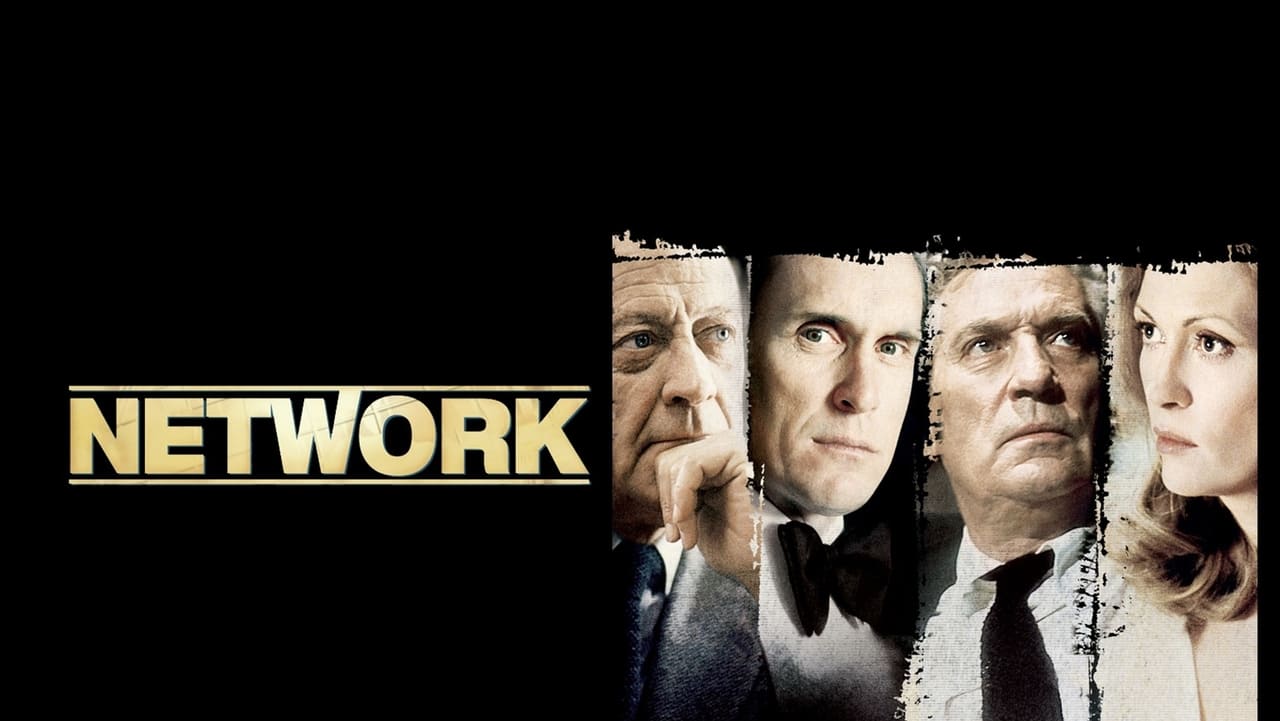




The Writers Guild of America considers _Casablanca_ to be the greatest screenplay ever written. It’s a popular choice, certainly, known for some memorable lines and a convincing goodbye scene. While Bogart delivers a familiar performance, Bergman, who might have been the most beautiful woman alive, didn't really have much to say. The best moments in _Casablanca_ were actually silent, and without the chemistry between Bogart and Bergman, it probably wouldn’t even rank among the top ten films. The designation of "best screenplay" implies a great story, plot, characters, and dialogue; a compelling mix of drama, comedy, intrigue, emotional engagement, suspense, social relevance, casual humor, and intelligence that can transcend genres and appeal to everyone, operating on multiple levels with a distinct voice, sending out intuitive signals and offering insightful glimpses cleverly woven into simple words. It’s a work that achieves a perfect balance of sex, wit, desire, comfort, fear, anger, and wisdom in a fast-paced narrative leading to an impressive climax—and then fades out, leaving you wondering. Great screenplays also take advantage of the motion picture medium's unique ability to effortlessly move through time and space. _Casablanca_, however, feels static and contained, like a pretty photograph framed and hung on a wall. Despite the WGA’s choice, there can only be one true candidate for best screenplay, and it belongs to Paddy Chayefsky’s _Network_. It has captivated audiences for four decades and more. Just the scene where a group of bank-robbing terrorists with their own reality show argue over contract language demonstrates an exceptional level of brilliance. The exploration of corporate economics through Arthur Jensen is also a vital lesson, surpassing all of _Network_’s competitors and overshadowing any climactic speeches that came before or since, even Bogart's famous farewell. The tragic relationship between the traditional journalist Holden and his compassionate wife, as he becomes seduced by and entangled with the ambitious media personality Dunaway, presents more complexities than anything in _Casablanca_, and that’s just one of many subplots. _Network_ is most recognized for the "I'm mad as hell" outburst, which emerges from a complex story arc charting the rise and fall of a media icon. Beyond the disruptive public spectacle, Howard Beale’s narrative begins with a desperate newsman on the verge of suicide who unexpectedly connects with an audience, rises to fame as a modern-day prophet, then is manipulated and sensationalized by the media into a parody, consumed by delusions similar to those seen on Fox News, until he becomes too important and receives a harsh corporate reprimand, causing his stardom to quickly fade before being shot down by the television executives who created him, leaving audiences searching for the next big thing. _Network_ is brilliantly written and doesn't need major movie stars to succeed. It could have been filmed by my grandmother on VHS in a church basement with boy scouts and girl guides, and it would still be considered the greatest screenplay ever—a film not just for its visual impact but also because it functions as a mirror reflecting uncomfortable truths about ourselves, coated with enough satire to make them palatable. Calling _Network_ a satire is like calling _Hamlet_ a murder mystery. Satire is either weak or fleeting, while Chayefsky’s bold statements only become more remarkable and relevant with each passing year.
On September 20, 2026
#2287▲ 212
2287th by attention movie online51.5Attention ScoreAttention ScoreOur daily Attention Score measures public activity and popularity signals across the web.How it works →














