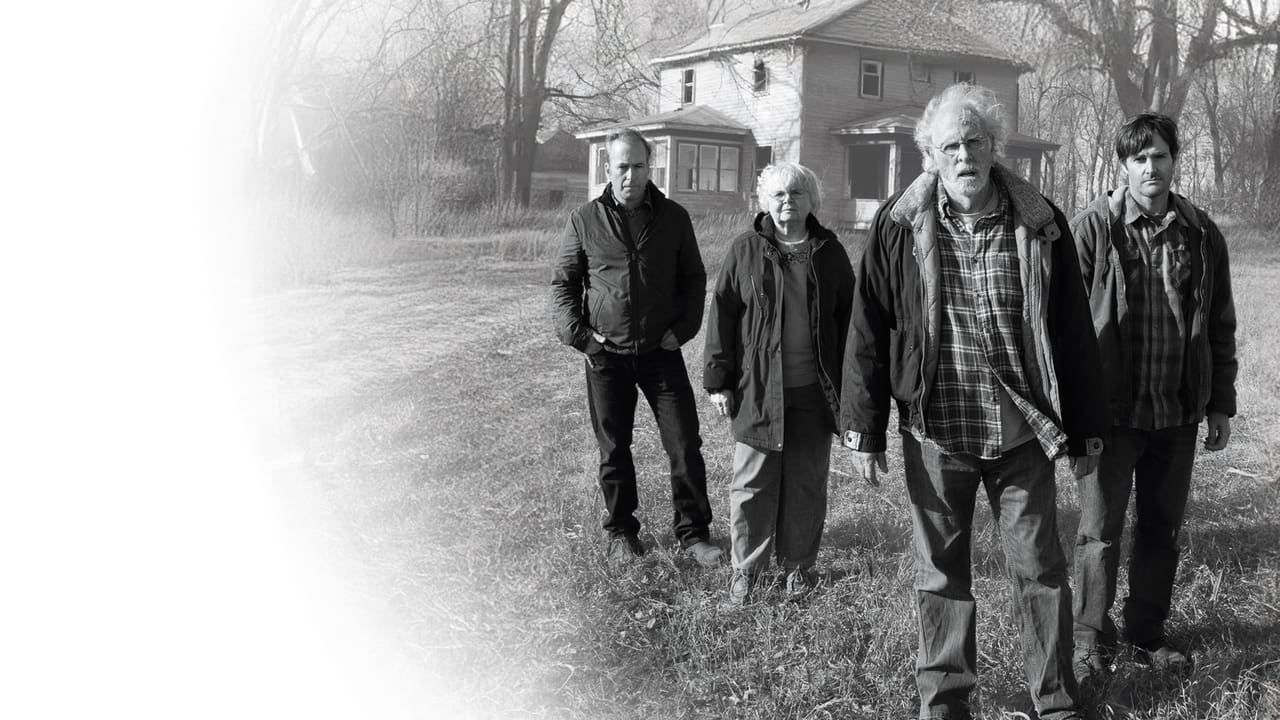




The film’s use of black and white photography works well. It lends a resemblance to the portraits of Karsh, highlighting the worn faces of the older characters—people who seem to be looking back on their lives while still hoping for something more—and it feels appropriate for a story set in a fading period of American history. The performances are generally strong; Bruce Dern is particularly good as an irritable old man, someone seeking attention but also retreating into moments of disorientation and memory loss. The conflicts between family members and the community, connecting past and present, are shown straightforwardly and without unnecessary complication. It feels like the story aims to reveal some unpleasant realities about a nation struggling and the unrealistic hopes people hold onto. Life is finite and often left incomplete. There’s a similarity to Mount Rushmore—figures carved out of stone—and to the characters who appear briefly on screen. Even after a lifetime spent working hard and adhering to traditional Christian values, a sense of unease and quiet unhappiness can remain. Fabrications and fantasies are needed to shield people from facing an isolating and heartbreaking truth. While Alexander Payne avoids letting the film become overwhelmingly depressing, he also doesn’t fully explore or develop the ideas it presents. Payne usually receives considerable acclaim for his films (like Sideways and The Descendants), and this one is close to deserving that praise. He's a skilled filmmaker who wants to create significant movies without delving too deeply into complex issues. Essentially, these are road stories with limited resources. Fortunately, he doesn’t venture into the territory of Bergman or adopt the self-important style associated with Goddard, but he misses an opportunity by sidestepping the potential importance and relevance of the topics he brings up. The ideas feel abbreviated. Watching Nebraska makes me think about how Kieslowski or Cassavettes might have approached the material differently. What’s almost more disheartening than growing old, losing one's mental clarity, and trying to piece together fragmented memories is failing to fully understand—let alone develop and support—your own creation.

On September 20, 2026
#6548▲ 50
6548th by Pulse movie online43.3PULSEPulse MeterOur daily Pulse Meter measures public activity and popularity signals across the web.How it works →