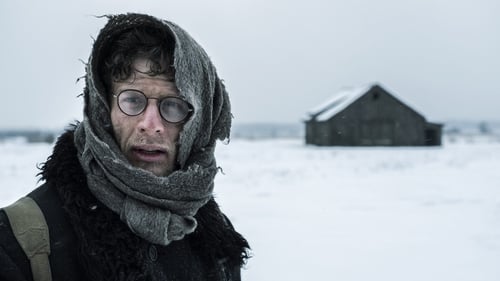





James Norton gives a strong performance as the reporter who uncovers and brings to light one of the most terrible events from Stalin’s Soviet era. Set against the backdrop of impoverished farmlands, he slowly realizes that efforts to replace small family farms with larger agricultural operations are not succeeding – and are failing significantly. As expected, this isn't information those in power want shared publicly, so his investigation becomes increasingly dangerous. He benefits from a certain level of diplomatic protection and attempts to be impartial in his reporting. Initially, the plan seemed promising—offering more land for cultivation, centralized harvesting, and centralized management overall. The reasons behind its failure aren’t really explored thoroughly here, which means that at times, the historical context feels somewhat thin. Nevertheless, the dramatic scenes are effective, with Peter Sarsgaard and Vanessa Kirby also performing well. Director Agnieszka Holland's relatively detached perspective on this tragedy allows us to form our own judgments about responsibility and the influence of an ideology. The consequences are evident, but the underlying causes—well, perhaps they aren’t as simple as those promoting different viewpoints would have us believe. Filming on location, combined with close-up shots and a compelling score by Antoni Lazarkiewicz, adds depth to this story and creates a film that encourages reflection and should inspire curiosity about a famine that is likely unfamiliar to many people today.
On September 24, 2026
#7523▲ 78
7523rd by Pulse movie online41.4PULSEPulse MeterOur daily Pulse Meter measures public activity and popularity signals across the web.How it works →