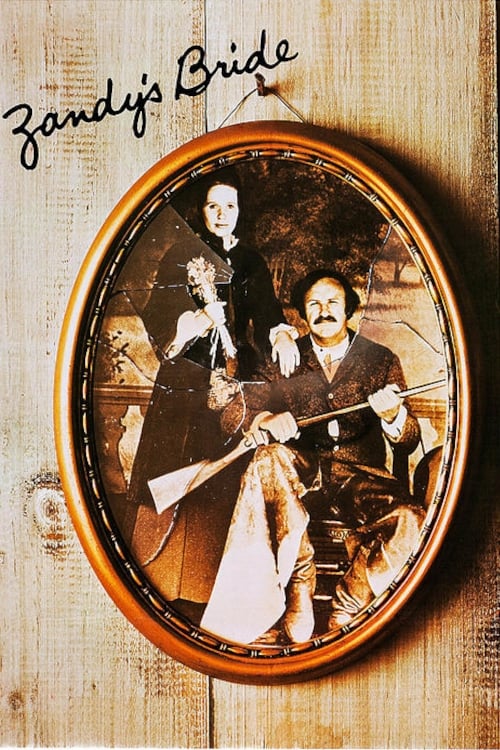




Gene Hackman delivers a standout performance in this small-scale western. He portrays Zandy, an unyielding rancher who requires a wife for domestic duties and offspring, and arranges for one to come from afar. The bride arrives as Hannah (Liv Ullmann), hailing from Minnesota’s stage scene and transported to the beautiful California coast near Monterey. Hannah has misrepresented her age, and Zandy is immediately hostile toward her. They are married without delay, and Zandy sexually assaults his new wife that night—this film carries a strong "PG" rating. Zandy's home is filthy, and Hannah attempts to improve it. She makes gentle requests, such as a clothesline, a ban on hats at the table, and for Zandy to wash before meals. He responds with anger and violence, and the reason for this eventually becomes clear. Zandy visits his father (Frank Cady), mother (Eileen Heckart), and younger brother (Sam Bottoms). There, his father treats his mother with even less respect than Zandy shows Hannah. Upon returning home, Zandy finds that Hannah has become friendly with Maria (Susan Tyrrell), a spirited Latina who clearly desires Zandy’s attention. Tyrrell is surprisingly effective in a role that seems an odd fit for her. The film moves from one episode to the next; details that might seem insignificant today were commonplace back then. Zandy is attacked by a bear and brought home by neighbors, who extend an invitation to a Thanksgiving barbecue. In a particularly powerful scene, Hannah attempts to please Zandy by styling her hair and wearing a red dress, only to be plunged into a horse trough and humiliated by her husband, who considers her appearance scandalous. Hannah occasionally resists, but mostly she’s trying to make the best of things. She discovers Zandy and Maria together, and then Zandy departs for months without informing Hannah of his destination. Director Jan Troell and screenwriter Marc Norman have created a remarkable film. It's presented as a western, yet there are no gunfights, sheriffs, or outlaws—just an authentic depiction of everyday life. Troell’s camera captures small moments, highlighting the actors in simple, unglamorous attire. Life was harsh at that time, and Troell portrays it effectively. Hackman is exceptional; he's thoroughly unlikeable, cruel, and seems to enjoy inflicting pain on his new wife. He avoids over-the-top theatrics; his character feels entirely real. Ullmann also excels, refusing to become just another victim who conveniently transforms into a liberated woman. The audience recognizes her as an individual before Zandy does. As mentioned earlier, Tyrrell is good, and so is Heckart. She conveys a palpable sense of suffering, the result of years of abuse at the hands of Frank Cady’s character, far removed from his familiar roles in lighthearted television shows. The script guides us through these people's lives without imposing a clear narrative arc, which I suspect reflects the fact that their actual lives were similarly unstructured. There is an underlying anger and resilience within this cast that isn't often seen in westerns, which tend to romanticize life from that era. "Zandy’s Bride" defies typical expectations of the genre, and even those who don’t usually enjoy westerns will likely find something appealing. I strongly suggest seeing it.
On October 4, 2026
#54545
54545th by Pulse movie online1.4PULSEPulse MeterOur daily Pulse Meter measures public activity and popularity signals across the web.How it works →