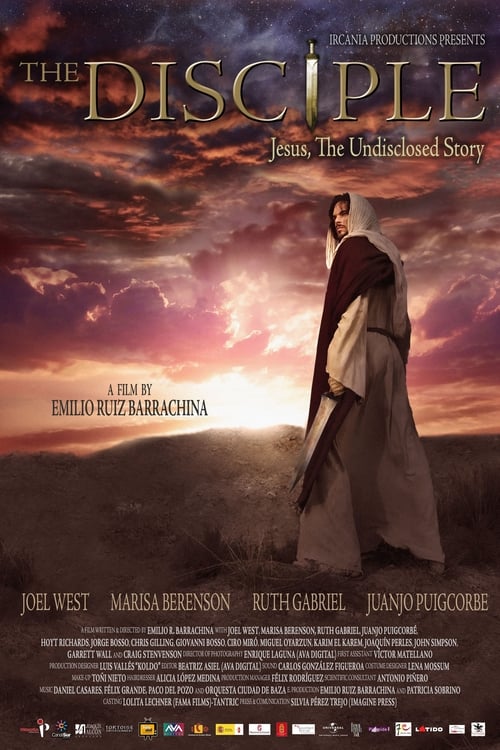




Emilio Barrachina depicts Jesus as a madman, and portrays his Gospel writers as dishonest, including John. However, the central issue with Barrachina’s perspective is the absence of historical evidence from Jesus' time to back up this view. The events shown in the film originate from the screenwriter’s imagination rather than verifiable sources from Christ’s lifetime. It wasn't the case that Jesus followed John the Baptist or observed Nazarite practices. Although Jesus was executed for inciting rebellion, the Gospels state it was his claim of kingship that formed the basis for the accusation against Caesar. No existing documents from the Roman Empire or the Apostles present him as a violent revolutionary. The author asserts that his storyline mirrors events in the canonical Gospels but presents them within a historical context to reveal their full meaning—specifically, the personal significance he intends. He never provides proof that this is an accurate historical representation. For example, the film depicts Pilate ordering John the Baptist’s execution as punishment for revolutionary activities, yet the Gospels attribute this act to Herod himself, and no other sources support a different attribution. The author also claims in his own summary of the movie that the name “Iscariot” literally means "supplier of arms," but no reputable source supports this definition. The available interpretations don’t even come close to identifying Iscariot as someone who sold weapons to revolutionaries or Zealots during Christ's era. To justify his narrative, the author seems to believe that defending minor points validates the major distortions in his movie. He concludes his summary by repeating a line he puts into Pilate’s mouth: since Roman law prescribed specific punishments for each offense, there is no doubt Jesus was executed for sedition. However, he fails to demonstrate conclusively that Christ ever advocated revolution or rebellion. The author relies solely on the Gospels themselves and manipulates them beyond recognition. This reliance, however, provides justification for his narrative; because the Romans condemned Christ for inciting unrest, he must have been guilty of such actions, allowing the author to fabricate elements of Christ’s life to support this condemnation. While the film is technically well-made, it lacks the narrative consistency found in the Gospels. The liberties taken with Gospel accounts, without any supporting evidence, leave the portrayed Christ closer to C. S. Lewis' depiction of a madman than the Christ presented in the Gospels. The movie’s progression feels disjointed, and significant portions of Jesus’ ministry are omitted without explanation. Ultimately, this reimagining of Christ’s life is no more compelling or interesting than Jefferson’s Gospel, stripped of miracles and supernatural elements, or the Jesus Seminar’s cut-and-paste approach to the same effect. The only difference is that instead of reducing Christ to a man known for wise sayings or a teacher of virtue, this film portrays him as a deluded fraud—a violent revolutionary lacking any clear message or purpose.
On October 4, 2026
#265848
265848th by Pulse movie online0.1PULSEPulse MeterOur daily Pulse Meter measures public activity and popularity signals across the web.How it works →