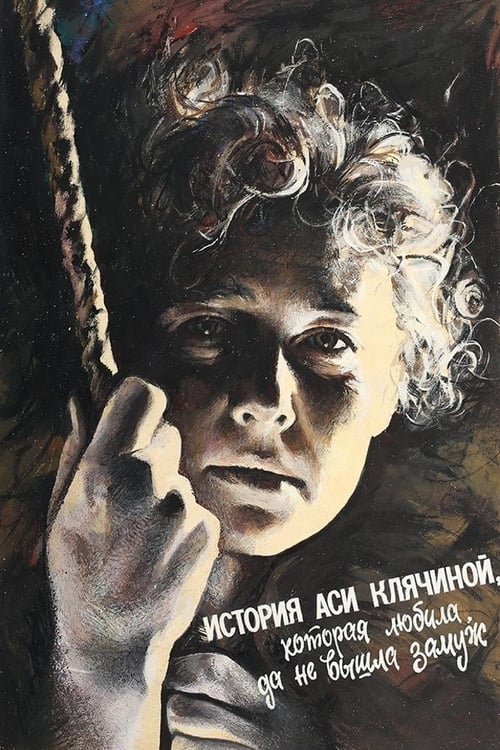




The title offers an early indication of what the film is about, but fortunately, Iya Savvina delivers a truly remarkable portrayal as the central character—a pregnant woman with a noticeable limp who demonstrates considerable strength and resolve. Her vibrant community farm, comprised of Roma people, operates under a system where only the strongest survive, and she doesn't fit the conventional mold for marriage within her village, which is populated by rather uncouth individuals. Even the father of her child seems largely indifferent, although her feelings for him are readily apparent. However, what’s clear is that she isn't seeking a storybook ending; she possesses capabilities comparable to many of the men—just ask the unfortunate "Stepan" (Aleksandr Surin)—and her emotional requirements don't necessitate traditional romantic gestures. Her primary desire appears to be acceptance and love for who she genuinely is, which proves to be a significant hurdle. It’s easy to understand why this film was prohibited for so long because it doesn't present the Soviet political ideology in a positive light; furthermore, it avoids portraying genders or ethnic minorities as being equal—and that’s precisely what amplifies its message. The depiction is unpleasant and realistic; the characters are often disagreeable, undernourished, physically flawed, and certainly don’t represent the idealized image of collective greatness that the CCCP aimed to showcase internationally. This unflinching honesty, enhanced by the use of actual "peasants" instead of actors, combined with Savvina's movingly self-assured performance, creates a challenging but ultimately worthwhile viewing experience—one that occasionally introduces moments of levity but is fundamentally a revealing and believable glimpse into the lives of people whose existence held little value, even in their own eyes. The narrative possesses a somewhat repetitive quality; eras past may simply repeat themselves in future times, potentially without any real progress regardless of whether a Czar or a Chairman governs the nation.
On October 4, 2026
#77622
77622nd by Pulse movie online1.2PULSEPulse MeterOur daily Pulse Meter measures public activity and popularity signals across the web.How it works →