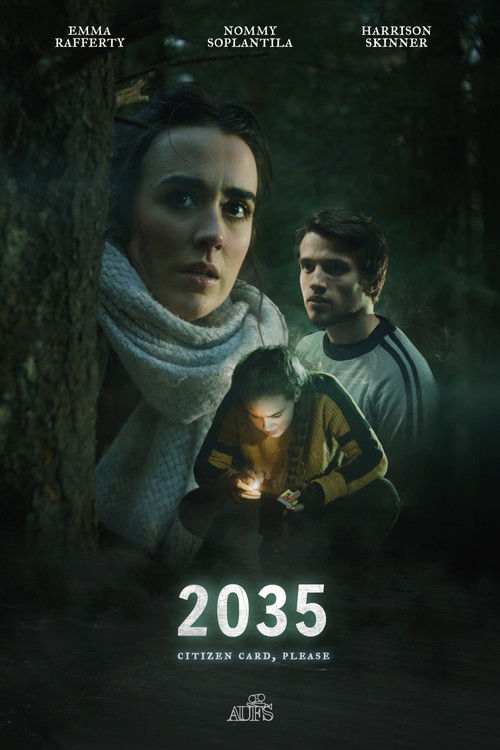




There are generally two kinds of movies set in a futuristic world. Some, like "I, Robot," depict a future—say, 2035—where humanity has seemingly reached an impressive level of innovation with robots improving life for everyone. Others, shorter films such as “2035,” present the same year but portray a decline into a worse state. When you consider that premise, there’s a lot you can explore. It makes you wonder why some people are struggling and what keeps them from accessing the resources they need to survive in that world. I believe this short film succeeds in showing how the answer lies with a citizen card—something refugees or undocumented individuals often lack. This creates a connection between the world of “2035” and our current reality. I enjoy science fiction films, particularly those set in a specific year in the future, whether it's mentioned in the title, opening text, or isn’t revealed at all. However, that also brings out my critical side. Aside from noticing the low-budget aspects (I’ve been there myself), I feel like sometimes shifting away from our main character's point of view is a shortcut for the filmmakers. While I appreciate the suspense created by waiting to see what happens next, I usually try to assemble the story pieces as I watch. This was my experience with the first half of the film. Without giving anything away, I wasn’t unhappy with the reveal before the end because it subtly develops John's character and hints at what he will do in the final moments. I wouldn’t call “2035” one of the most remarkable short films ever made, but I suggest watching it to form your own opinion—whether you find it dull or thought-provoking. **Officer**: Citizen card, please. **Me**: *Here's my card*. (pulls out uno reverse) ***Come on man, that's too easy!*** 😎
On October 3, 2026
#251700
251700th by Pulse movie online0.1PULSEPulse MeterOur daily Pulse Meter measures public activity and popularity signals across the web.How it works →