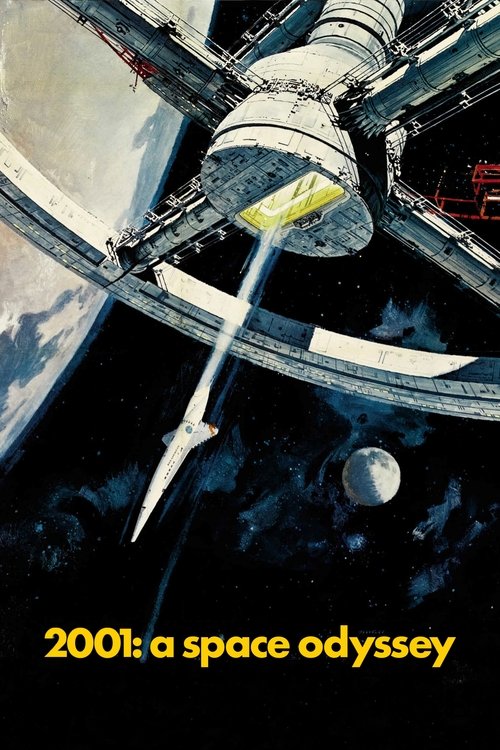





The moment the music from Richard Strauss's "Also spracht Zarathustra" begins, you sense that something different is about to unfold – and indeed, it is. We see apes near water, sometimes clashing with each other until a massive black monolith unexpectedly appears. Soon after, these creatures discover that old bones can be turned into weapons, and those weapons are capable of taking lives. The story then leaps forward four million years to a mission headed for Jupiter, where five astronauts, overseen by their helpful computer "HAL," journey through space. Two of the crew members, “Poole” (Gary Lockwood) and “Bowman” (Keir Dullea), remain awake and frequently interact with this seemingly friendly digital presence. It doesn’t take long for the humans to suspect that "HAL" might be both faulty and dangerous, and suddenly everyone on board is in a precarious situation. Is "HAL" simply broken, or is it operating as intended, and are the crew members just not privy to its purpose? What could that objective be? The monolith has appeared before, with the apes, so what does that signify? What’s the meaning behind this perfectly shaped stone slab? Kubrick demonstrated incredible foresight in creating this film. It's a story about development, or advancement – of intelligence. It might not always click right away, but after multiple viewings, additional layers to this blend of adventure and intellect become apparent. The conclusion felt a bit strange for my way of thinking, but the experiences that the characters have, and the experience we have as viewers, are quite eventful and stimulating. Naturally, in 1968, 2001 seemed incredibly distant, and none of it has happened yet; however, if we were to retitle it 3001 and adjust things, I do wonder...! It’s really good.
On October 2, 2026
#191▲ 36
191st by Pulse movie online15.5PULSEPulse MeterOur daily Pulse Meter measures public activity and popularity signals across the web.How it works →