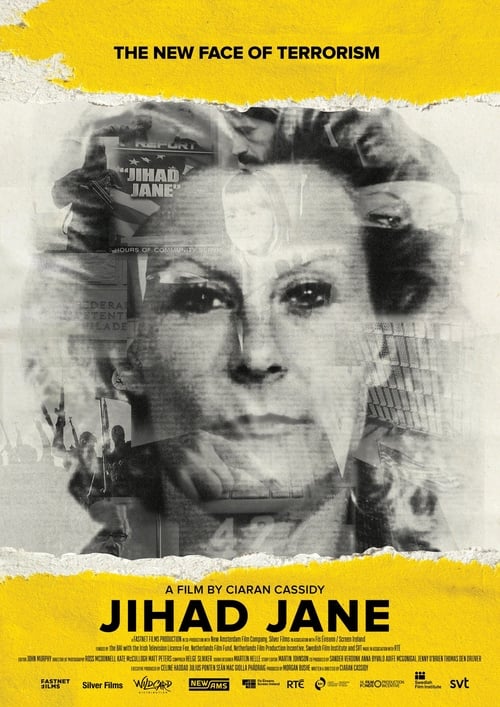




_Jihad Jane_ recounts the stories of Colleen LaRose and Jamie Paulin Ramirez, two American women who were separately drawn to Islamic extremism online and implicated in an al-Qaeda plot targeting artist Lars Vilks. Described by American news outlets as the "_new face of terrorism_", these women were ultimately revealed to be vulnerable individuals with histories of abuse seeking a sense of belonging. The film provides a basic overview of the case, but according to Juan Zarate, Senior Advisor at the Center for Strategic and International Studies, it doesn't delve into deeper sociological themes that could have been explored. The narrative follows LaRose’s journey from meeting a Muslim man in Amsterdam to engaging with online forums where she connected with Black Flag, an Algerian extremist who led an al-Qaeda cell in Ireland. Ramirez similarly joined the group, marrying Damache shortly after her arrival. The film isn't primarily about terrorism itself, but rather how extremists exploit vulnerable individuals and their eagerness for acceptance. LaRose’s mother poignantly observes that her daughter was “kidnapped” through the internet—a loss of self to an ideological cause. The media coverage is criticized for sensationalizing the situation, portraying a scenario of widespread American involvement with al-Qaeda. The film highlights how little consideration was given to why LaRose and Ramirez were targeted, instead focusing on a worst-case scenario that never materialized. Both women experienced significant hardship and abuse in their lives, making them susceptible to manipulation by any group offering validation and identity. While the story is compelling, _Jihad Jane_ falls short of fully examining the media’s role in perpetuating fear and justifying the “War on Terror.” The film presents the al-Qaeda cell as comically inept, contrasting sharply with the image of a dangerous assassination squad portrayed by news outlets. Furthermore, the documentary overlooks distinctions between mainstream Muslims and Islamic fundamentalists, implying that conversion to Islam automatically equates to extremism—a generalization the reviewer finds unacceptable. Vilks's provocative actions are also not sufficiently challenged. The film’s technical aspects aren’t flawless either; awkward pauses in interviews detract from the viewing experience. Ultimately, _Jihad Jane_ offers little beyond what can be found in readily available online resources like Wikipedia or a four-part Reuters article. It’s an unremarkable documentary that feels more suited for television than cinema, relying heavily on talking heads and lacking visual dynamism. While not entirely unpleasant, it provides only a superficial look at a complex case.
On October 4, 2026
#314357
314357th by Pulse movie online0.1PULSEPulse MeterOur daily Pulse Meter measures public activity and popularity signals across the web.How it works →














