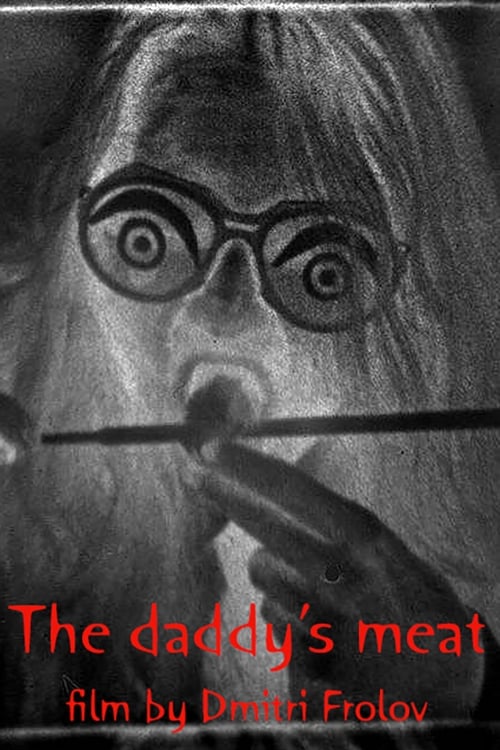




The idea that people are essentially free leads to a belief that they have the right to disregard rules and social norms. It's often presented as an unavoidable desire for new experiences. Of course, it’s no secret that humanity has misused this freedom since ancient times, with events like the story of Cain raising questions about boundaries. Sometimes, during crises such as war, disease outbreaks, or economic hardship, societies seem to take a step back and then move forward again. This pattern might be acceptable, or at least understandable from a historical perspective. But when this process is primarily destructive, it diminishes something essential. The crisis eventually passes, the need for change fades, and even deeply held beliefs are undermined. This can lead to surprising outcomes. These thoughts came about after watching D. Frolov’s new experimental film, "Dad's meat." The film’s experimental nature is evident in its use of negative imagery. Unlike many films that focus on the characters’ journeys, “Dad’s meat” begins with a completed search – the world they inhabit is rendered in black and white, lacking dynamism but possessing a certain harmony, though this may be questionable. The film depicts an ordinary family picnic where the characters eat, drink, and exchange words. A mother, father, child, and aunt appear outwardly normal, yet their attire seems slightly off, giving them a humanoid quality. There’s a sense of mystery surrounding possible physical changes – transformations that don't seem to have a clear explanation. The answer is revealed at the very end, prompting another question: Does human desire know no limits? Does immorality not exist? Is it simply permissible to laugh out loud at the director’s dark joke?
On October 4, 2026
#264223
264223rd by Pulse movie online0.1PULSEPulse MeterOur daily Pulse Meter measures public activity and popularity signals across the web.How it works →