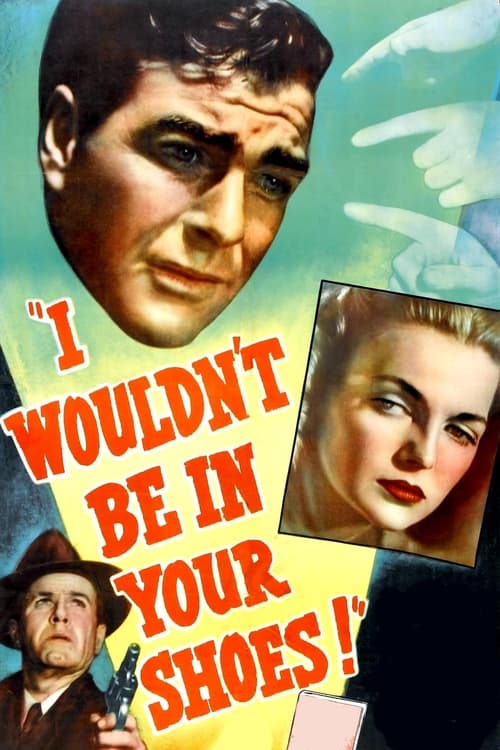




Cornell Woolrich stands among great noir writers like James M. Cain, Dashiell Hammett, Raymond Chandler, yet he's often overlooked by readers today. Interestingly, it seems more of his stories and novels have been adapted for the screen than those of any of the others. Those familiar with classic mysteries will know Woolrich well; the author of “Rear Window” endured a difficult life marked by depression and loneliness. Perhaps, had he lived in modern times, these struggles might have been addressed and treated. However, it’s hard to imagine a happier Woolrich crafting tales as chilling as "Fear in the Night" or "Phantom Lady." To grasp the depth of his darkness, consider this quote from an afterword in “The Fantastic Stories of Cornell Woolrich”: “Life is death. Death is life. To hold your one true love in your arms and to see the skeleton she will become; to know that your love leads to death, that death is all there is, that is what I know and what I do not want to know and what I cannot bear.” I recently watched “I Wouldn’t Be in Your Shoes,” another of Woolrich's unsettling stories transformed into a surprisingly entertaining B-movie. It’s remarkable how dark the film feels, even with its ultimately cheerful conclusion. [SPOILER ALERT] The movie opens with a title card displayed over the shadow of a nose, dangling from a rope—a pair of shoes that become central to the plot. The story follows a young married couple struggling to achieve their dreams as dancers in a cramped New York City apartment. The wife works at a dance school by night, earning tips by dancing with men, while her husband searches tirelessly for work. His worries intensify due to his wife’s late nights and the company she keeps. This “Ortiz Dance School” seems like the 1940s equivalent of a modern-day "Gentleman's Club," where women flirt with patrons who leave with smiles, perfume, and lighter wallets. As Tom waits for Ann one night, his anxiety grows. When she returns, she explains her late departure by claiming she was talking to “Santa Claus,” a generous tipper at the school. They reconcile and go to bed, but just as the lights are extinguished, cats in the alley below begin to howl. Slightly intoxicated, Tom throws his shoes—his tap shoes—at them to quiet them down. His wife reminds him that these are his last pair and he needs to retrieve them. He does so, only to find they’re missing. The next morning, the shoes appear at their doorstep, an incident quickly forgotten. This seemingly minor event leads to Tom's arrest for murder after a shoe print matching his is found near a body. Tom is convicted and sentenced to die “the Tuesday after Christmas.” As the world celebrates the holidays, Ann counts down the days until her husband’s execution. In a desperate act on Christmas Eve, she offers herself to “Santa Claus”—who turns out to be one of the arresting officers—in exchange for his help in finding the real killer. She promises to marry Judd if he can secure Tom's release, and they seal their agreement with a kiss. Don Castle and Elyse Knox portray Tom and Ann, but Regis Toomey, playing Judd, truly steals the show. It’s surprising to see Toomey—usually cast as an upstanding police officer—in such a creepy role as Ann’s “Santa Claus” and more. This is a genuinely enjoyable film. The mystery, initially perplexing and improbable, ultimately proves logical and clever. Directed by William Nigh, who directed numerous films in the 1930s, including several Mr. Wong mysteries, his direction feels theatrical but some of the outdoor scenes—particularly Ann’s nighttime meeting with Judd under a flashlight—have a distinct film-noir atmosphere. The supporting cast is also noteworthy, featuring Charles D. Brown, Esther Michelson (in her sole credited screen appearance as a kind Jewish woman who gifts Ann a small Christmas tree), and Tito Vuolo.
On October 2, 2026
#69743
69743rd by Pulse movie online1.3PULSEPulse MeterOur daily Pulse Meter measures public activity and popularity signals across the web.How it works →