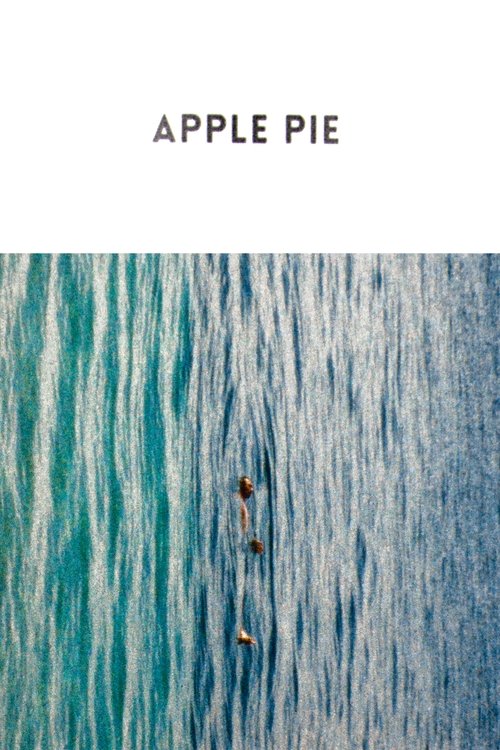




Sam Hamilton’s Standard Candles is a multimedia show exploring concepts like time, sound, composition, and relativity, creating an environment that feels detached from our everyday reality. The pieces in this exhibition combine film, video, sculpture, storytelling, sound, montage, and performance art, demanding active engagement from the audience through multiple senses. At first glance, Hamilton’s work appears to be a collection of unrelated items spread across different rooms. However, upon closer inspection, it seems he's challenging our assumptions about order and time, as well as how we measure humanity and similarity (Dykstra, 2017). The individual works interact in ways that go beyond typical exhibition design, resonating with viewers through sound, memories, dreams, or a sense of connection to the natural world. Hamilton encourages us to find shared purpose within seemingly independent elements, offering various avenues for exploration. One piece, David Attenborough Presents: The History of Evolution / The Evolution of History (2012), is a short film lasting 2 minutes and 21 seconds. It depicts Hamilton holding a large stack of books, using them to create a path into the distance. The loop stops and restarts before he can finish, creating an unsettling feeling due to its incomplete nature. This piece is the first encountered upon entering the exhibition, so viewers seeking resolution might find it throughout the rest of the show. The most time-consuming work in Standard Candles was inspired by Carl Sagan’s quote, “If you wish to make an apple pie from scratch, you must first invent the universe.” Apple Pie (2016) is a feature film divided into ten short films—Pluto, Sun, Mercury, Venus, Earth, Moon, Mars, Jupiter, Saturn, and Neptune (Dykstra, 2017)—where Hamilton playfully attempts to meet Sagan’s ambitious requirements for baking an apple pie. The collection runs nearly ninety minutes, blending aesthetics from early 3D digital animation with contemporary video clips that could have been created anytime between 1980 and the present day. Beyond the unusual costumes (ranging from rainbow suits without faces to attire representing different cultures) and strange situations portrayed in this film, Apple Pie suggests a connection between all living things through its diverse visual, auditory, and compositional elements. The fragmented collage-style composition can be jarring initially, but becomes more understandable with repeated viewings. Each short film tells its own story that contributes to the larger whole, much like the individual pieces of Standard Candles have significance both independently and as a series. The exhibition is spread out across multiple spaces, which makes it difficult to group works that might benefit from closer proximity or stronger visual relationships. Despite the connections between Hamilton’s works sometimes being easy to miss, the unusual nature of each piece encourages careful thought about their implications and meaning. The presentation was inconsistent; some videos were projected from floor to ceiling while others appeared on smaller televisions—and his relatively small album sculptures were sparsely placed on walls—which distracted from any single work and seemed intended to emphasize the exhibition as a whole rather than individual pieces. While the layout and design of Standard Candles could have been improved, it doesn’t diminish the quality of Sam Hamilton’s work. His use of grainy, flickering film creates a distinctive 1970s-like feel that is difficult to replicate with modern digital formats. Hamilton's diverse storytelling methods offer viewers multiple ways to engage with his art—through documentary, silent, looped, and montage film, as well as handmade album sculptures—each exploring different aspects of how we interact with and understand the world. His pieces depict peculiar scenarios that feel vaguely familiar yet impossible in reality. While a sense of familiarity creates an immediate connection between viewer and artwork, Hamilton introduces discomfort through techniques like obscuring facial features, connecting a person to a tree with fabric, and tossing books as stepping stones. These videos, showing seemingly random scenes, illustrate how humans connect with things and each other in countless ways—through shared experiences, dreams, thoughts, or fears. Hamilton uses sensory triggers to evoke these associations and create meaning that is personal and unique for everyone who sees the exhibition. The result is a meaningful reflection of the human experience and a wordless commentary on the relevance and interconnectedness of everything around us.
On October 4, 2026
#160199
160199th by Pulse movie online0.1PULSEPulse MeterOur daily Pulse Meter measures public activity and popularity signals across the web.How it works →