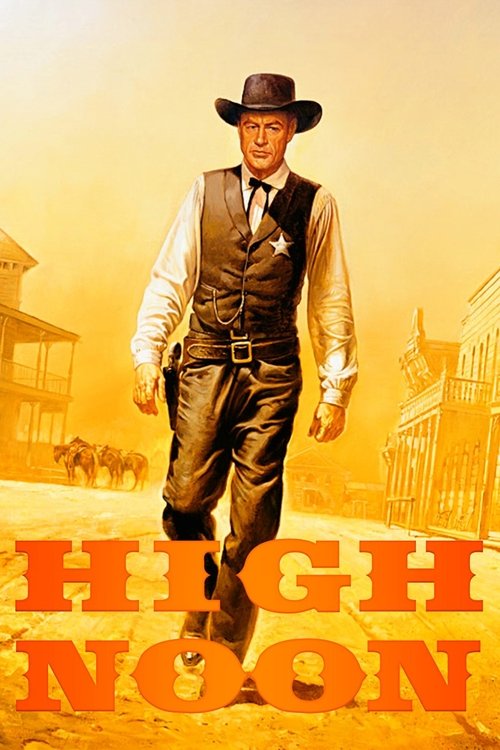




This feels like a forgotten little town out in the middle of nowhere; nothing much happening here seems particularly significant. Will Kane, portrayed by Gary Cooper, is preparing to leave Hadleyville with his new bride, Amy (Grace Kelly), when news arrives: a notorious criminal he previously imprisoned has been released and is returning to town with his gang, seeking revenge. Despite feeling a sense of duty, Kane decides to remain and attempts to gather assistance, only to discover that the people who once benefited from his protection are unwilling to help him. The 1950s marked a change in American Western films. Following the over-the-top "Cowboys versus Indians" movies of the 1940s, films like *Broken Arrow* emerged, presenting Native Americans with empathy and demonstrating that Westerns could offer more than just simple action. This leads to *High Noon*, released in 1952, which remains a respected classic of the genre. It's remarkable considering there isn’t any gunplay until the final five minutes of its 85-minute runtime. What makes *High Noon* so important is that it wasn’t a lavish production. There are no large crowds in vibrant Technicolor or sweeping landscapes filled with colorful characters; instead, it’s quite understated. However, thematically, it's incredibly powerful—a character study where every scene feels purposeful. From the memorable opening sequence of three men (Lee Van Cleef, Robert Wilkie, and Sheb Wooley) waiting at the station while Tex Ritter narrates the plot, to the now-iconic ending, *High Noon* builds suspense and intensity as the story unfolds—all in real time. Based on John W. Cunningham’s short story “The Tin Star,” the film is directed by Fred Zinnermann with a steady pace and shot in high contrast by Floyd Crosby, giving it a documentary-like feel and an uncommon authenticity for Westerns. Cooper's performance also elevates the film; he won an Oscar for his role, despite being 50 years old and well into his career. Although suffering from a back injury and other health problems during filming, Cooper delivers a sincere portrayal of a man facing isolation as he moves toward what seems like certain doom. The realization that all his efforts to make Hadleyville safe for women and children now seem meaningless weighs heavily on Kane. This is where Cooper truly shines; there are no dramatic speeches or exaggerated displays, but through expressions and body language, the story gains emotional depth. It’s a superb performance from a remarkable actor, proving you didn't need a traditionally handsome leading man to make a great movie. The film famously upset Howard Hawks & John Wayne, due to its themes and perceived allegory related to blacklisting, which led them to create *Rio Bravo* as a response in 1959. Many analyses explore the connections between *High Noon* and Senator Joe McCarthy, HUAC, etc., but I don’t feel it's necessary to delve into that here. Instead, it seems appropriate to acknowledge that Zinnermann consistently avoided discussing allegorical interpretations of his film, feeling it would be unfair and diminish its significance. I agree with him. 10/10
On October 4, 2026
#6413
6413th by Pulse movie online3.9PULSEPulse MeterOur daily Pulse Meter measures public activity and popularity signals across the web.How it works →