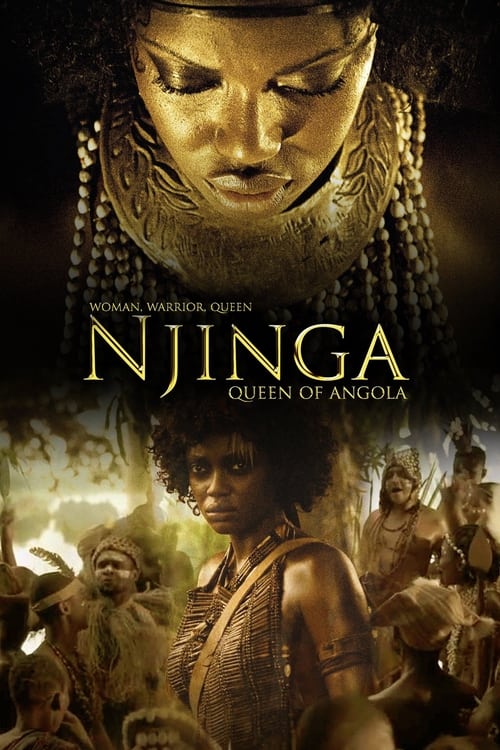




I watched this film yesterday and found myself reasonably content with it. While not my first exposure to an Angolan film, it’s certainly the first one I’ve encountered that incorporates historical elements. The movie isn't without its shortcomings, and those unfamiliar with Angolan history or Portugal’s presence in Africa might find it unengaging. However, what’s surprising is the quality of the production values and a certain level of rigor and objectivity in how the story unfolds. Despite some weaknesses—particularly melodramatic and poorly written dialogue—the film ultimately succeeds. The central question: who was Nzinga? She was an African stateswoman from the mid-17th century. One aspect I appreciated seeing portrayed was the intricate system of relationships between African tribal rulers, which mirrored the dynamics found in European monarchies with their own marriages, alliances, power struggles within families, palace intrigues, betrayals, and crimes. Nzinga grew up amidst this environment, needing to learn how to survive and be as strong and formidable as any man, despite facing traditions that would likely prevent her from ruling. Yet, she persevered! Her actions were consistently driven by a desire for long-term control and the survival of her family’s kingdom, allowing her to act strategically and exploit opportunities. It's impossible to know how much Nzinga may have been manipulative; did she really eliminate members of her own family to gain power? Sadly, it wouldn't be unprecedented. The film effectively addresses tribal conflicts, rivalries between African kingdoms, the Portuguese threat to their independence, and shifts in Portugal’s approach—sometimes seeking peace, other times war. However, there’s a subject that the movie seems hesitant to explore openly and honestly: the slave trade between the Portuguese and African kingdoms. Slavery was so ingrained that Africans enslaved each other during wars, and a legal, legitimate slave trade existed where leaders like Nzinga profited significantly and had a vested interest in controlling it. The film hints at this, providing a general overview, but we don’t see Nzinga directly involved as a slave trader or someone who benefited from the practice, which was common at the time. Today, Nzinga is an important figure for Angolans, representing their independence and serving as a national heroine—essentially, a myth. Every country needs its myths and heroes, and since Angola is relatively new, it lacked these symbols beyond Agostinho Neto, who was deified in a somewhat peculiar way, conveniently overlooking his mistakes and awkward public statements. They didn’t have a William the Conqueror or George Washington, and they sought to find that representation in Nzinga, who likely never imagined she would be the focus of such attention centuries after her kingdom vanished. It's up to historians to separate the historical figure from the legend—and this film attempts to do both. A few final observations are worth noting. I’m not familiar with the actors, but I was generally pleased with their performances; they don’t quite reach cinematic standards, and the film feels more suited for television or DVD release than a theatrical experience. It's unfortunate, but understandable. The use of a narrative voice was also well done, although more effort could have been made to provide context and explanation about the historical period and Nzinga herself, as many people’s recollections of history lessons may be hazy. I appreciated the recreated villages and props, which demonstrate an attempt at historical accuracy. This commitment is also evident in the occasional use of Angolan tribal languages—though they could have incorporated more, as it's questionable how often Portuguese was used among themselves—and also in instances of tribal nudity. It’s common for me to criticize excessive or unnecessary nudity; here, I’m glad the filmmakers were bold enough to depict what would have been commonplace at the time.
On October 4, 2026
#66512
66512th by Pulse movie online1.3PULSEPulse MeterOur daily Pulse Meter measures public activity and popularity signals across the web.How it works →