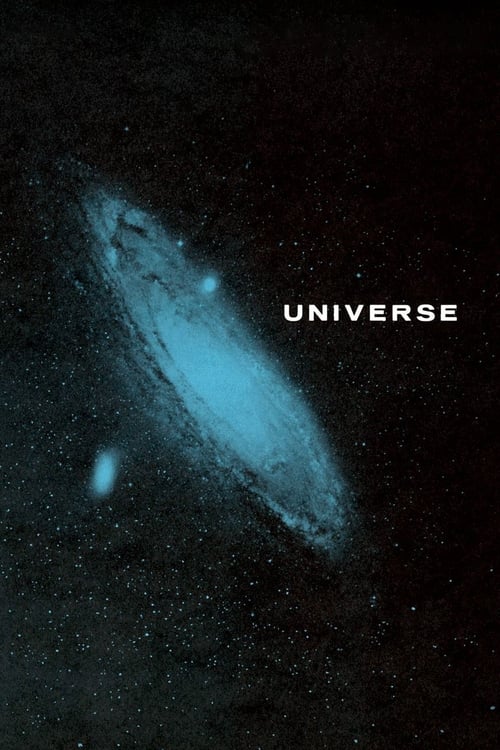




I’m consistently impressed by what researchers can determine from a single, black-and-white image captured of something incredibly distant. Their analysis of light patterns allows them to identify the components of everything from Saturn's rings to the lengthy trail left by a comet that stretches for millions of miles. The scientists featured are located at the David Dunlap Observatory in Ontario, and they spend thirty minutes showing us pictures—some actual, some imagined—of our solar system and beyond, including stars, novas, and supernovas. The visual presentation is reminiscent of what might have inspired the opening credits of the original "Star Trek," creating a feeling of traveling through space and encountering numerous celestial bodies along the way. We can now laugh at ideas like Martian broccoli or the twelve moons of Jupiter—which in reality numbers many more—but it wouldn’t be right to criticize those who made some remarkably smart guesses and reached some surprisingly accurate conclusions given what they knew at the time. The narration is somewhat unremarkable, but I ended up thinking it would be interesting to see how these astronomers could utilize modern technology. They did a pretty good job fifty years ago, and this is an enjoyable documentary.
On October 4, 2026
#80993
80993rd by Pulse movie online1.2PULSEPulse MeterOur daily Pulse Meter measures public activity and popularity signals across the web.How it works →