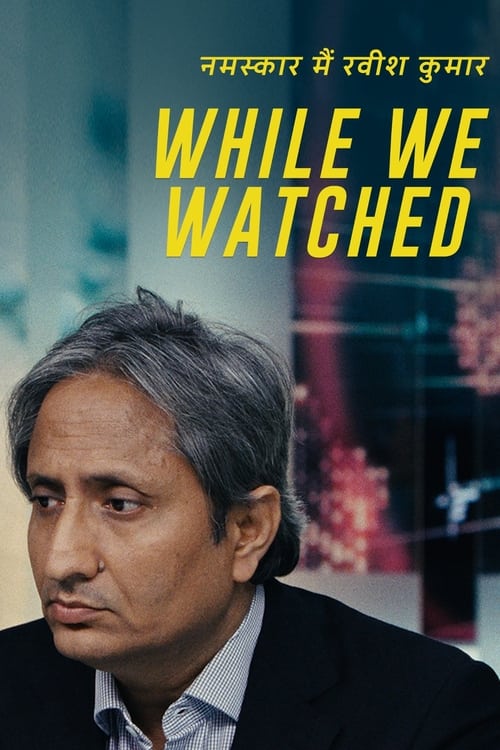




I didn’t find myself enjoying the hectic pace of this documentary, but it does provide a revealing – and troubling – look at journalism today within one of the world's most populous democracies. It centers on Ravish Kumar, a well-known news anchor who hosts NDTV’s primetime program. His method of investigative reporting involves questioning those in power about important matters, and we gradually observe how the actions of others create difficulties for him. He faces accusations of disloyalty, among other things, and requires constant protection from police due to genuine and violent threats against him, his home, and his family. It’s particularly worrying that as some people around the globe call for more government control over media, it becomes apparent that the government isn't opposed to censorship either. While nothing is definitively shown here, the blocking of their broadcasts, inquiries into their employees, and the generally threatening behavior from those who disagree with his approach to free reporting have a disturbing impact – not only on viewers but also on his colleagues, who find themselves increasingly worn down by the constant pressure and the sense that they are struggling against an insurmountable obstacle. Vinay Shukla also demonstrates how, while Western countries focus on historical racism, divisions within this large nation exist presently, are deeply felt, and largely stem from religious differences – a form of religiously based sectarianism rooted in history that is as illogical as it is disagreeable. There's a moment where Kumar expresses concern about too much information appearing on screen, and that’s an issue I have with the production overall; it feels rushed. The presentation style is repetitive (how many introductory segments do we really need to see?), and while showing clips from competing broadcasts is initially effective, it eventually loses its impact – you'll likely need a deeper understanding of Indian television than I possess to fully grasp who everyone is and what they represent, and some initial explanation would have been very helpful. Nevertheless, Kumar comes across as thoughtful and conscientious, committed to keeping the focus on issues that are important to his country’s people, rather than simply catering to nationalistic sentiments – and though it's set in India, the themes resonate just as strongly in places where media influence can distort public discussion and potentially endanger lives.
On October 4, 2026
#110149
110149th by Pulse movie online0.3PULSEPulse MeterOur daily Pulse Meter measures public activity and popularity signals across the web.How it works →