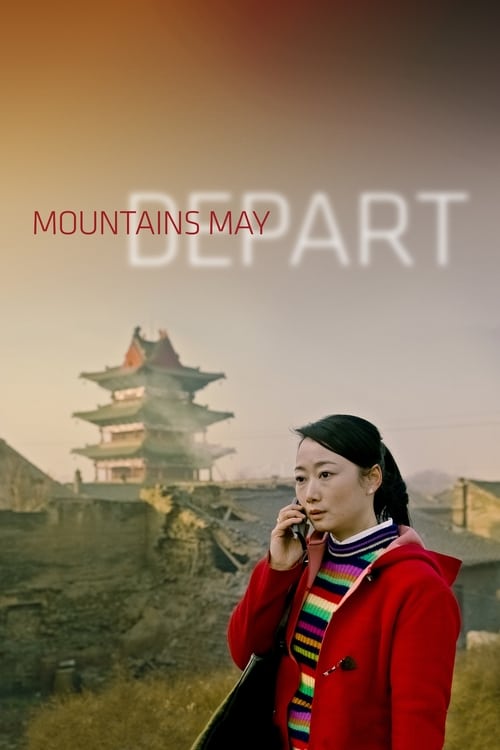





While many people enjoyed the director’s previous movie, 'A Touch of Sin', I didn’t, and as a film enthusiast, rejecting something without a reason isn’t easy. I felt it missed an opportunity. I appreciate art films, but not ones that feel aimless or boring. Certain scenes were enjoyable, but this one was quite different. Ultimately, the movie's message is accessible; you don't have to work too hard to understand what it's trying to convey. The film explores China’s rise through the personal experiences of three individuals representing different generations and timelines. It also touches on how communism has restricted people’s freedom, which the writer cleverly revealed without directly criticizing the ruling party or its system. The story is told through the characters' struggles, allowing viewers to grasp the underlying reasons if they think about it. The narrative unfolds in three distinct episodes. The first, set in 1999 in a less developed Chinese town, centers on a young woman named Tao caught in a love triangle. Practical considerations force her to choose one partner, leading the other to leave town heartbroken. This initial segment runs for almost forty minutes and establishes a deliberately slow, realistic tone. Having grown up in the 1990s, I found similarities between my own experiences and what was depicted in this episode—the setting, cars, lifestyle, and small-town landscapes evoked memories of that era. However, it's China, with its unique society and culture. Regardless, it’s a look at the past, and what follows significantly shifts the narration and perspective. > "You know the hardest thing, about love is caring." The second episode takes place in 2014, roughly the present day, revealing the current status of the three main characters—their economic standing and personal challenges. Tao’s marriage hasn't been successful, and her ten-year-old son visits from Shanghai. The man who previously left town has returned and is struggling with his health for some reason. Over the past fifteen years, China has undergone substantial changes, yet this section remains set in the same town, now economically advanced. Like a changing urban landscape, the film focuses on how these characters have also transformed. The final episode, set in 2025 and taking place in Australia, shifts perspective again. The young boy is now in his twenties, seemingly lost and disconnected from his roots. His behavior reveals a lack of knowledge about his ancestors. He clashes with his father and decides to forge his own path. This highlights the importance for parents to teach their children about their culture and traditions, as losing one’s identity can lead to failure. This last section resonated more strongly with me, mirroring experiences from my own life. Childhood memories often resurface later in life, like a sense of déjà vu or history repeating itself. The film subtly references the freedom to own a gun, indirectly criticizing communism—not as a threat, but as an expression of how restrictions affect people in similar situations. What’s hidden often sparks more curiosity than what's readily available, and forcing things on people can be counterproductive. The acting was good overall, and I appreciated the film's concept despite its slow pacing. While there are other movies that explore generational differences, this one is among them, though not necessarily the best. It’s watchable if you can tolerate a slower pace. If you’re familiar with the director or his work, you might find it quite interesting. I wouldn’t actively recommend it, but neither would I advise against watching it. _7.5/10_
On September 29, 2026
#43993▲ 1608
43993rd by Pulse movie online0.7PULSEPulse MeterOur daily Pulse Meter measures public activity and popularity signals across the web.How it works →